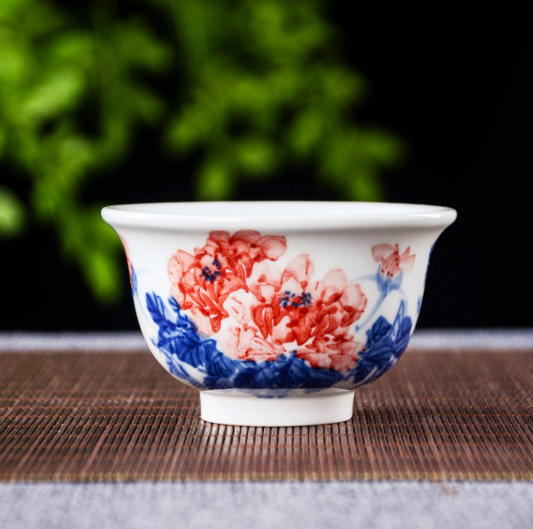
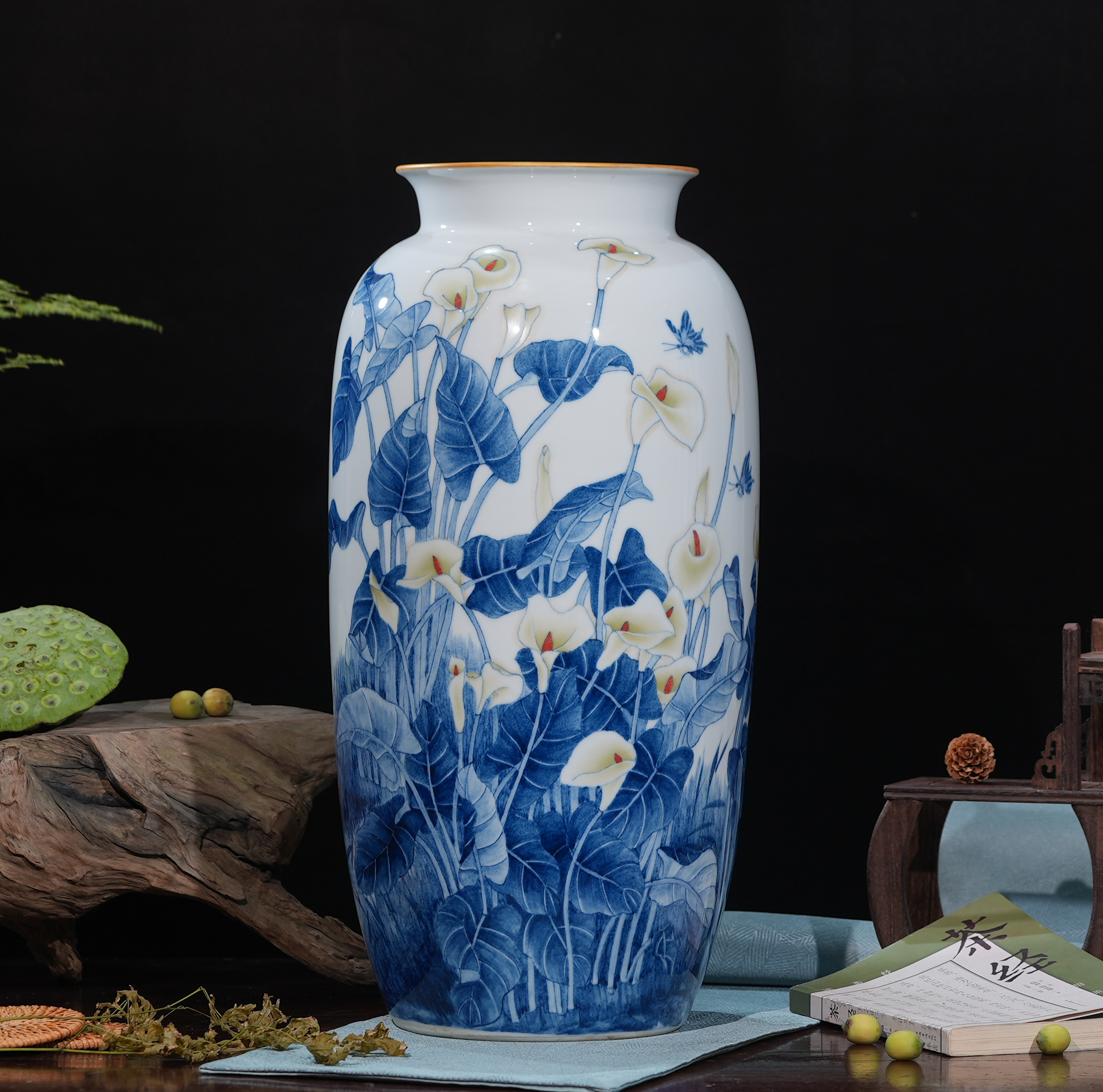
When it comes to ceramics, nine out of ten people will first think of blue and white porcelain - the lotus around the porcelain bottle, the blue and white glaze on the white porcelain, the classic is truly classic, but after looking at it for decades and visiting all kinds of shops, it is inevitable to feel that "the world of ceramics seems to be so small".
Ceramics, don't just know blue and white!
When it comes to ceramics, nine out of ten people will first think of blue and white porcelain - the lotus around the porcelain bottle, the blue and white glaze on the white porcelain, the classic is truly classic, but after looking at it for decades and visiting all kinds of shops, it is inevitable to feel that "the world of ceramics seems to be so small".
It wasn't until I slowly entered the small circle of ceramics that I realized that blue and white porcelain was just a "signboard" in the world of ceramics. Forget about it, there are still too many treasures in ceramics, whether they are stunning in appearance or unique in feel, they are more fresh than blue and white, and today we will take you out of the "blue and white filter" to see the other side of ceramics.
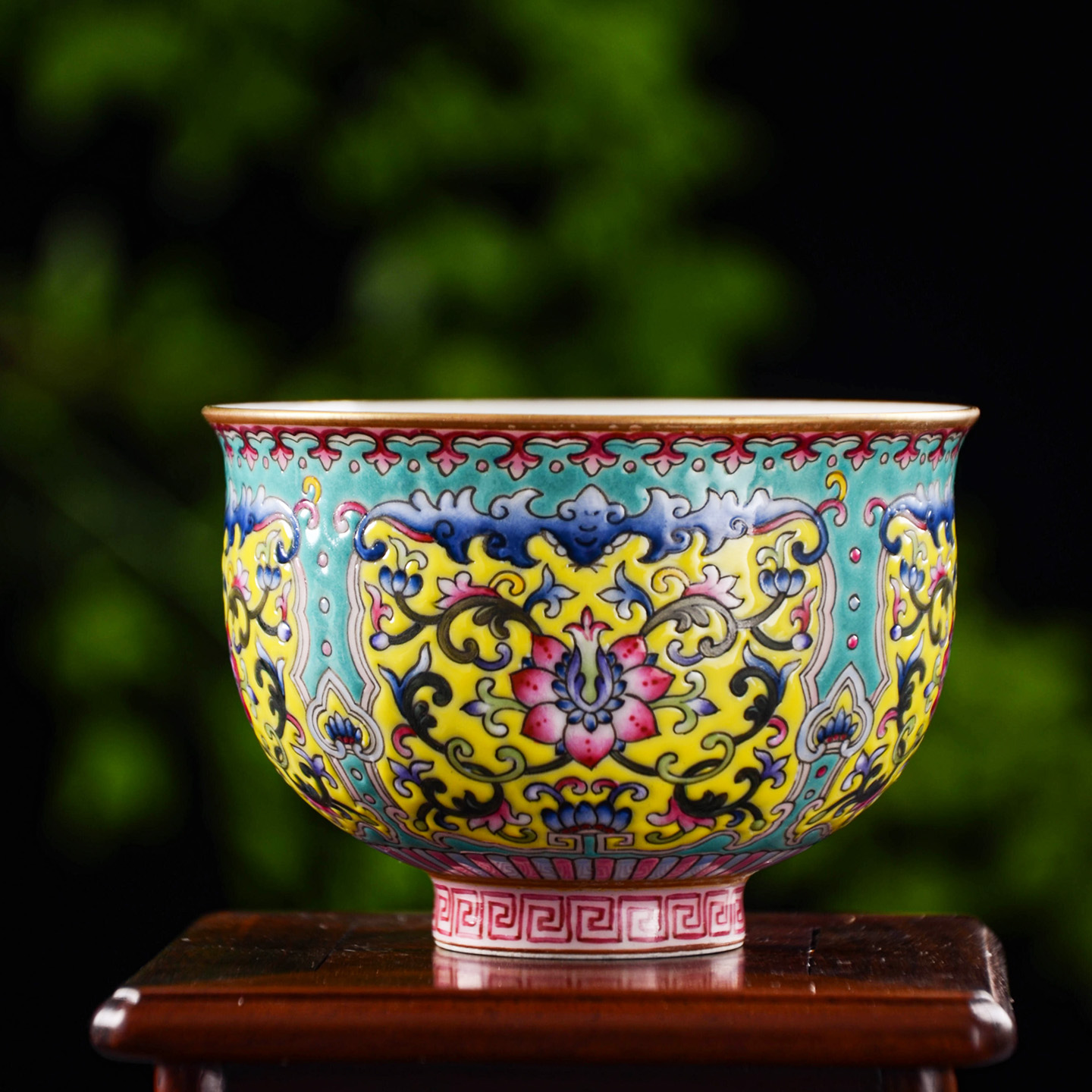
First, let's talk about the glaze color, not only the "blue and white" color scheme of blue and white porcelain. For example, the sky blue of the Ruzi porcelain is not a heavy blue, but a light blue just after the rain clears up, like a thin veil, it is warm and smooth like jade, it is used to make the cover of the teapot, and the red of the tea soup contrasts with the green of the porcelain, it is very comfortable to look at; There is also the kiln glaze of Jun porcelain, before it is fired, no one knows what color it will be in the end, some are red with purple, some are blue with gold, the pattern is like flowing clouds and flames, each piece is unique, it is more lively than the blue and white vase when placed at home as a decoration.
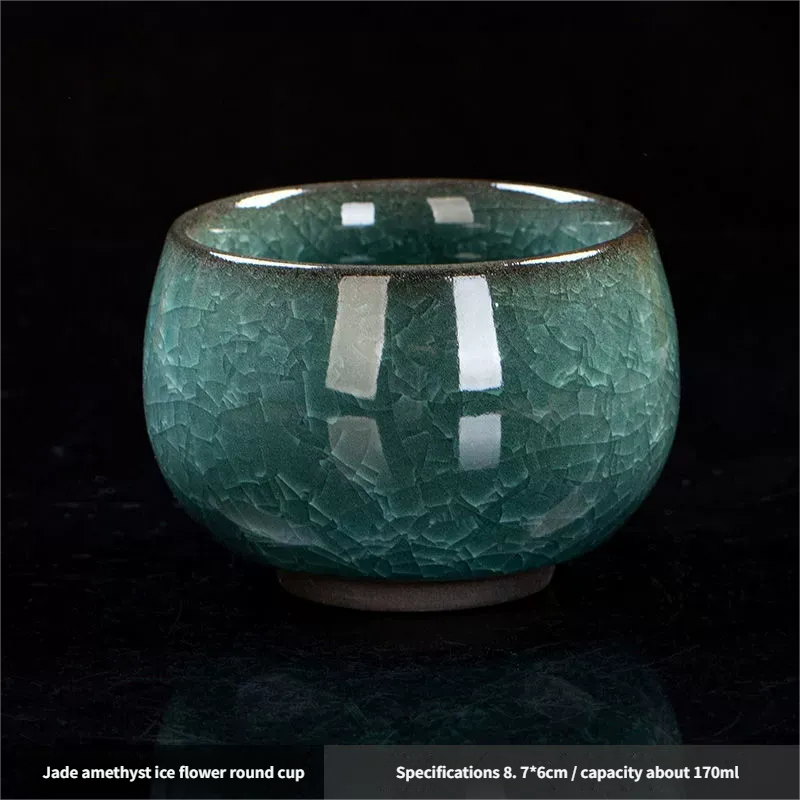
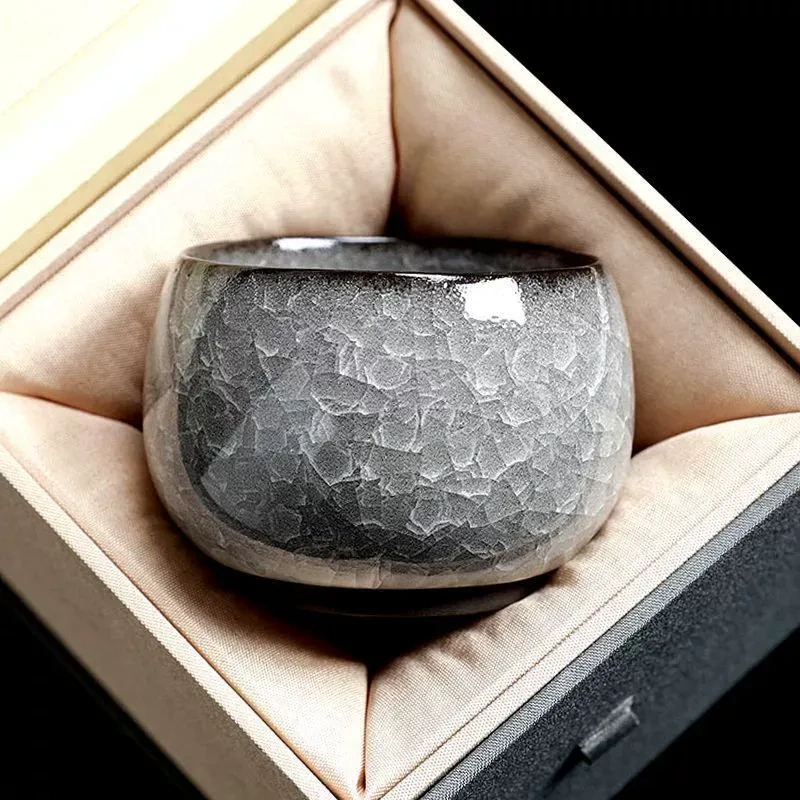
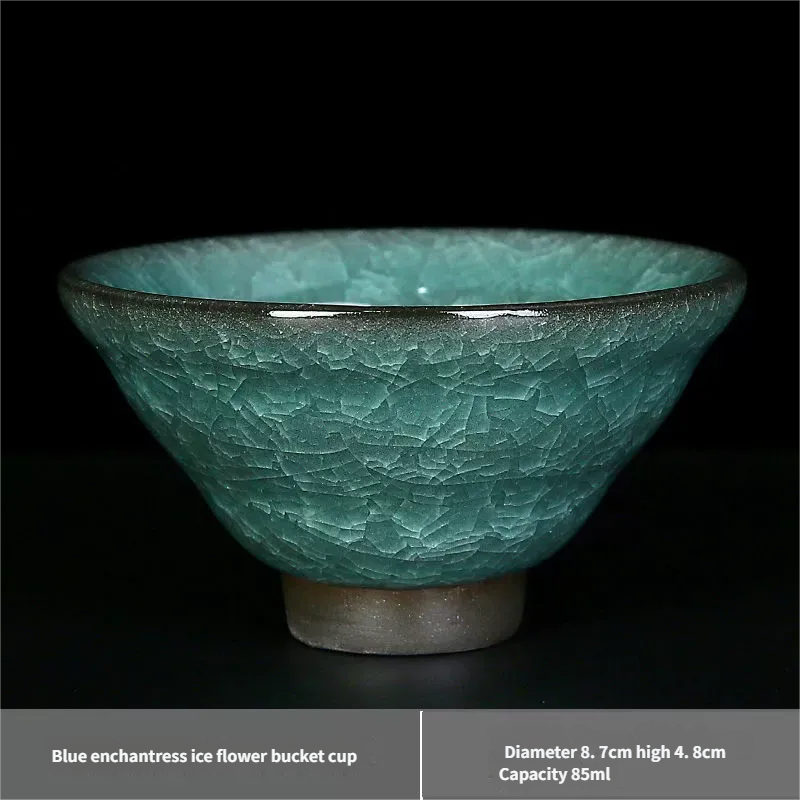
Looking at the patterns, in addition to the lotus and peony, there are too many "small and beautiful" choices. For example, ice crack ceramic, this is not the traditional deep groove thick version, but the craftsman's controlled temperature and "lightweight version" - some porcelain cups have fine ice cracks on the body, and the light gray fine lines are hidden in the light white glaze base, like the first snow falling on the porcelain surface just melted; Some have ice cracks around the rim of the bowl, which do not need to be intentionally deepened, It only relies on the natural texture of the glaze after cooling to create layers, most of which are paired with milk white and light blue porcelain bases, lacking the cold and hard feeling of traditional ice cracks, and adding a touch of everyday warmth; when drinking tea, looking at the tea soup reflecting the fine lines, I always feel that even the tea fragrance has become softer; There is also a local ice crack decoration on the plate, which does not need to be densely covered, but only lightly blurred with a light texture, like the scattered cracks of thin ice, when using such a plate to hold fruit in summer, even eating feels refreshing, and it is more transparent than the complex patterns of blue and white.
Even the shape and use are far beyond the "big bottle and big bowl" of blue and white porcelain. For example, the small teapot made of coarse pottery, without the delicacy of blue and white, but with the grain of pottery, can lock the fragrance of tea well, does not stand out on the tea table, but becomes more and more delicious as you look at it; There are also hand-made ceramic small ornaments, not the traditional shape of blue and white, some are crooked little mushrooms, some are round little cats, the glaze color is milky white and light pink, placed on the desk and window sill, they are more life-like than blue and white ornaments, they look good in any position.
Actually, it's not that blue and white porcelain is bad, it's just that the world of ceramics is too rich, and always focusing on blue and white porcelain will inevitably miss other beautiful things. Just like drinking tea, some people prefer the freshness of Longjing, but they should also try the age of pu'er. The lightness of white tea is the same as that of porcelain - occasionally jump out of the "blue and white filter," touch the warmth of Ruzi porcelain, look at the kiln change of Jun porcelain, and use the simplicity of coarse pottery. Only then will you find that ceramics can have so many forms. It can have the heaviness of tradition and the liveliness of daily life.
Next time you go to the ceramics shop, don't look for blue and white first, try touching different glazes and looking at different patterns, maybe you will find another world of ceramics like me, and find your own "non-blue and white" treasure.