When it comes to ceramic art, the type of kiln used can significantly influence the final piece’s texture, color, and overall aesthetic. Among the most traditional and widely discussed methods are wood firing, gas firing, and electric firing. Each technique offers unique advantages and embodies distinct artistic philosophies.
Wood Kiln, Gas Kiln, Electric Kiln: Which Firing Technique Is Right for Your Ceramics?
When it comes to ceramic art, the type of kiln used can significantly influence the final piece’s texture, color, and overall aesthetic. Among the most traditional and widely discussed methods are wood firing, gas firing, and electric firing. Each technique offers unique advantages and embodies distinct artistic philosophies. Let’s explore these three kiln types to help you choose the best fit for your creative vision.
1. Wood Kiln: Embracing Natural Beauty
Wood kilns represent one of the oldest ceramic firing methods, dating back thousands of years. They use wood as fuel, creating an environment rich in ash, flame, and vapor.
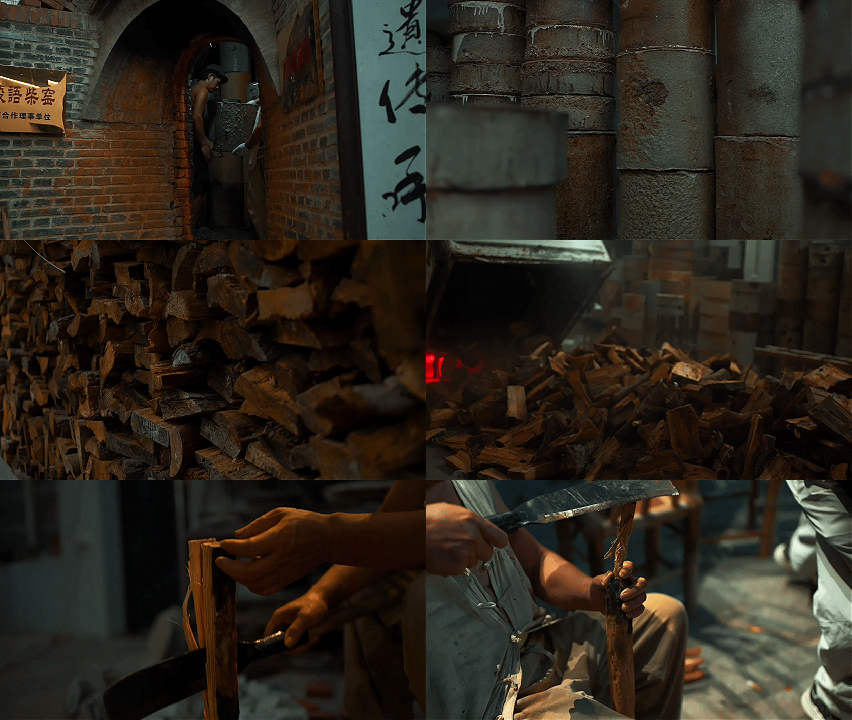
Key Features:Natural Glazes: Wood ash settles on the pottery, interacting with clay and minerals to form unique, organic glazes.
Fluid Flames: The path of flames inside the kiln leaves dramatic marks like "fire kisses" and gradient hues.
Unpredictable Results: Each piece is one-of-a-kind, shaped by the kiln’s temperature fluctuations and ash deposits.
Ideal For: Artists seeking rustic, earthy finishes and those who value the meditative, labor-intensive process.

2. Gas Kiln: Precision and Versatility
Gas kilns, typically powered by propane or natural gas, offer greater control over the firing atmosphere. They are widely used in studios and schools for their balance of tradition and modernity.
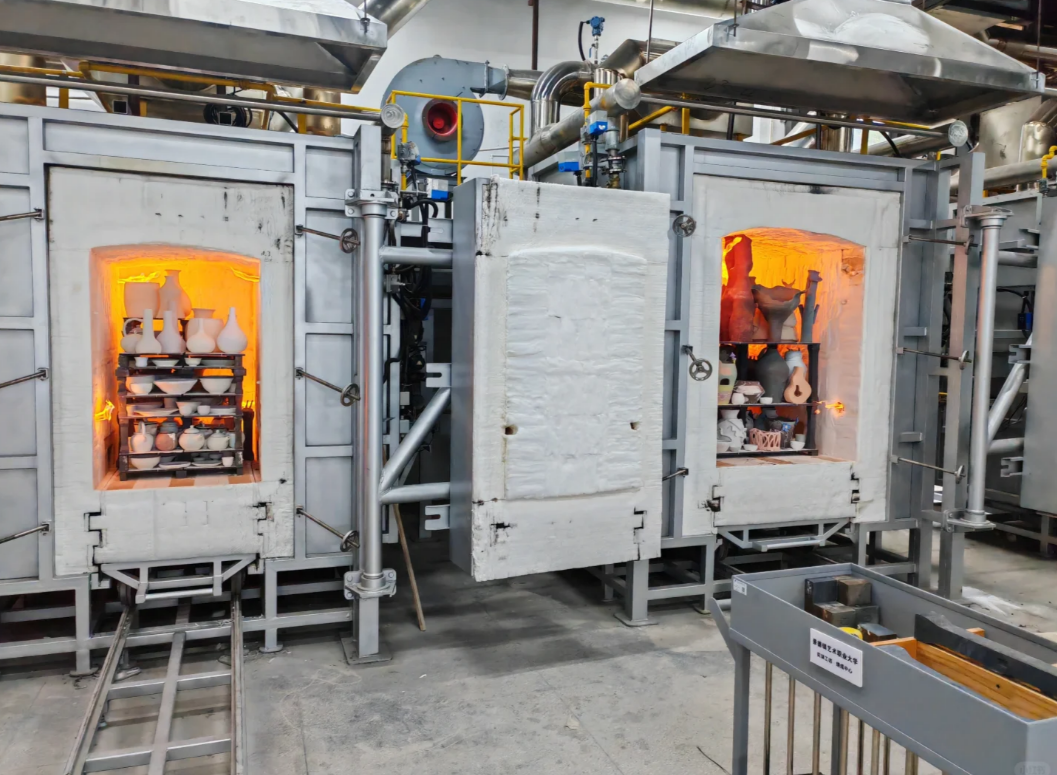
Key Features:Reduction Firing: By limiting oxygen, gas kilns can produce rich, deep colors like copper reds and celadon greens.
Controlled Atmosphere: Artists can adjust oxygen levels to achieve glossy, matte, or textured surfaces.
Efficiency: Faster heating and cooling cycles compared to wood kilns.
Ideal For: Potters looking for reproducible results with the expressive potential of reduction firing.
3. Electric Kiln: Consistency and Accessibility
Electric kilns are the go-to choice for modern ceramicists due to their user-friendly operation and precise temperature control. They use electric elements to heat the chamber evenly.
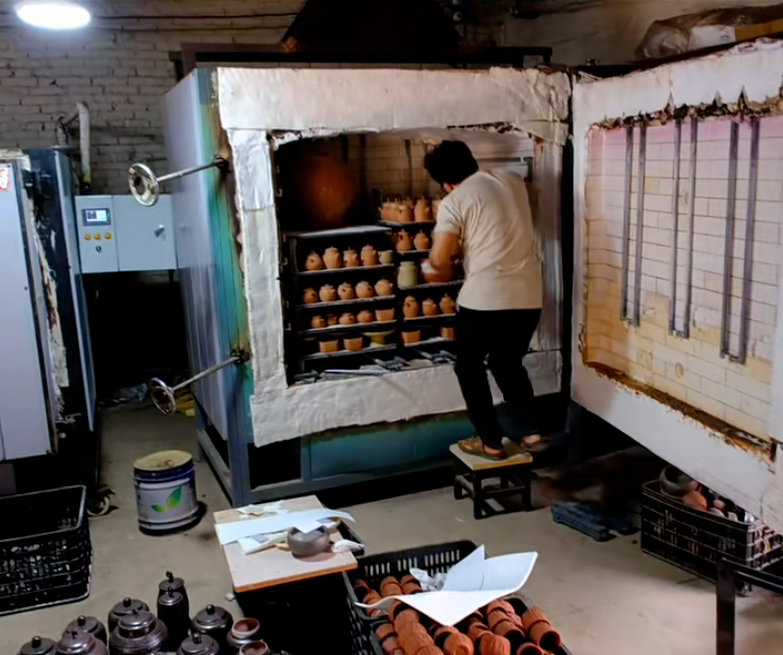
Key Features:Oxidation Firing: The oxygen-rich environment ensures bright, consistent glaze colors without flame marks.
Ease of Use: Programmable controllers allow for exact firing schedules, making them perfect for beginners.
Clean and Safe: No fumes or open flames, ideal for indoor studios.
Ideal For: Hobbyists, educators, and artists focusing on detailed glaze work and repeatable outcomes.
🏺 How to Choose?
Choose Wood if you embrace unpredictability and natural aesthetics.
Choose Gas if you seek a balance of control and atmospheric effects.
Choose Electric if consistency, safety, and ease are your priorities.
Each kiln type tells a story—whether it’s the primal dance of fire in a wood kiln, the dynamic chemistry of a gas kiln,
or the sleek precision of an electric kiln. Your choice will ultimately shape not just your ceramics, but your artistic journey.
Wood Kiln
🏺 How to Identify Wood, Gas, and Electric Kiln Pottery?
Learning to "read" the signs of a kiln's fire is a fascinating skill. Here’s how to tell them apart.
Wood Kiln Pottery: The Unruly Signature of Nature
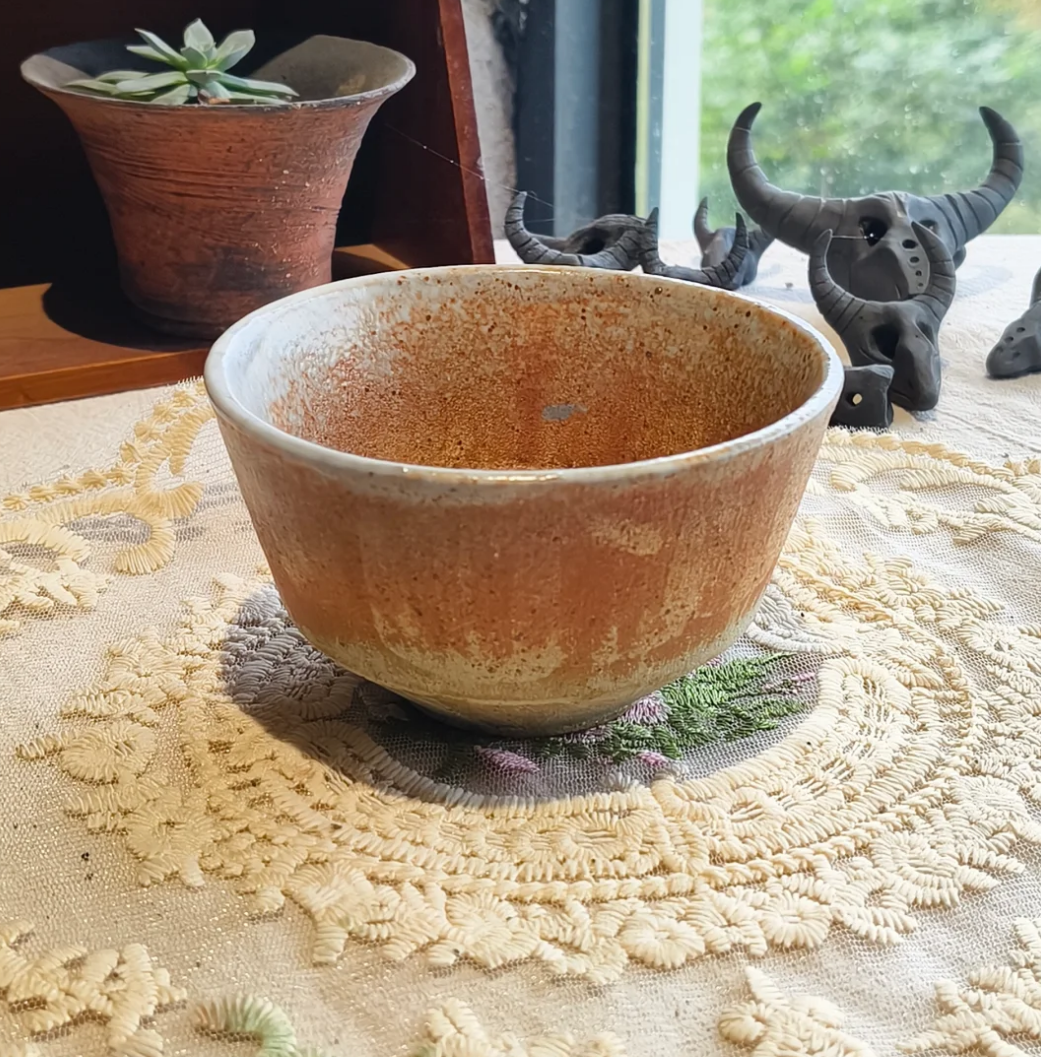
Look for Ash Glazing: Search for drips, runs, and pools of glaze that look naturally formed, not brushed on. The glaze will be uneven, often thicker on one side.
Find the Flame's Path: Look for "kissed" marks where embers touched the surface, creating blushes of orange, red, or black. The surface texture is often rough and varied.
Check the Foot: The unglazed bottom often has embedded sand or grit (from wadding used to separate it from the shelf) and may show stark color variations from where it was exposed to the flame.
The Telltale Sign: If every piece is a complete one-of-a-kind, bursting with natural, chaotic beauty, it's likely wood-fired.
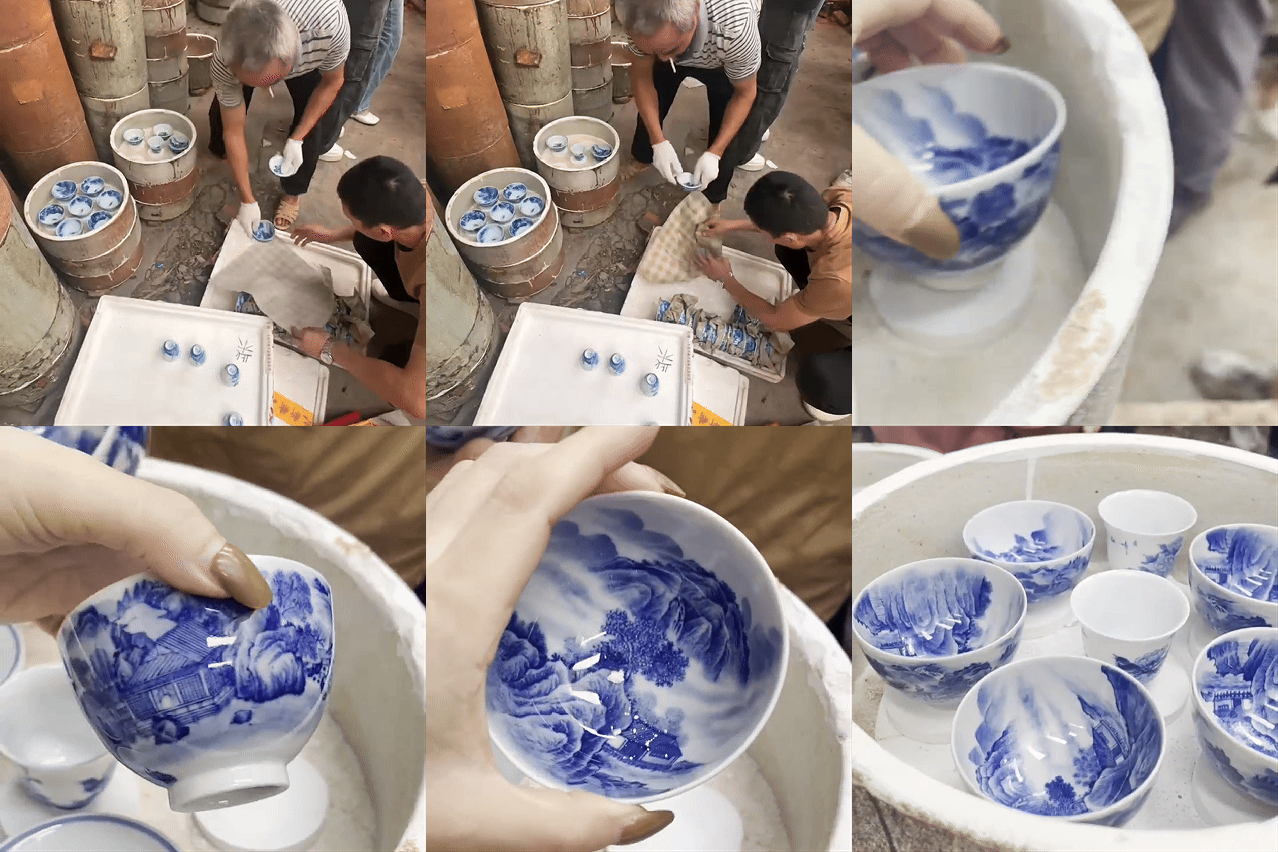
Gas Kiln Pottery: The Mark of a Controlled AtmosphereLook for Reduction Effects: Identify classic reduction-fired glazes like celadon (a translucent, gray-green) or copper red (a deep, bloody red). Surfaces may have a deeper, more complex depth than electric kiln pieces.
Observe the Texture: While more uniform than wood-fired pieces, you might see subtle variations in color saturation or texture that speak to the movement of gases within the kiln.
The Telltale Sign: It has the rich, deep colors of an atmospheric firing, but with a level of control and intention that wood firing lacks.
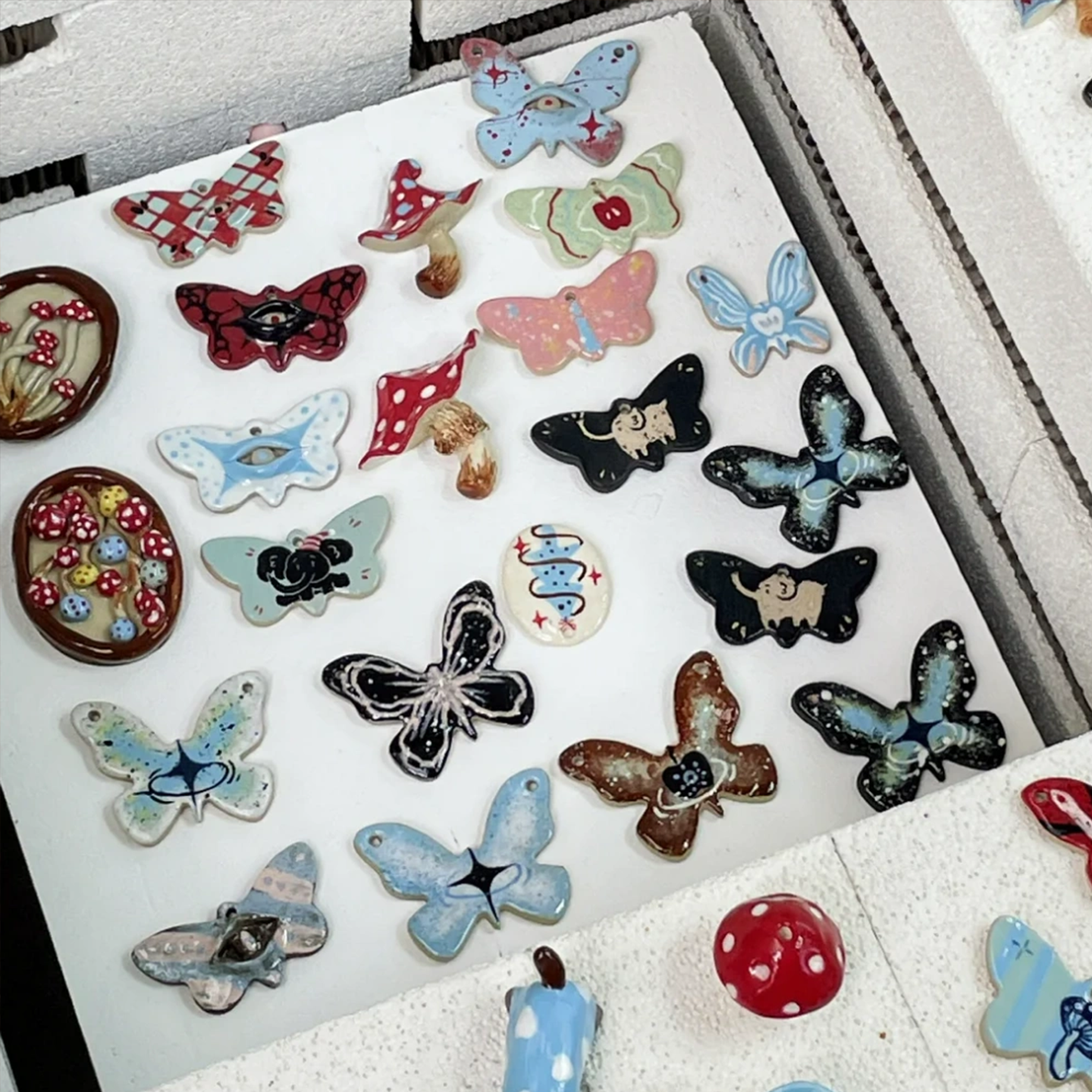
Electric Kiln Pottery: The Mark of Perfect ControlLook for Perfect Uniformity: The glaze color will be perfectly even on all sides. Bright blues, vibrant yellows, and clean whites are hallmarks of oxidation firing.
Check for a "Clean" Look: The piece will be completely free of ash, flame marks, or smoke stains. The surface is consistently smooth.
The Telltale Sign: If it looks flawless, repeatable, and the colors are exactly as they appear in the bottle, it's almost certainly from an electric kiln.
Every ceramic piece is a conversation between man and fire.
The
wood-fired kiln teaches patience, humility, and respect for nature’s unpredictability.
The
gas-fired kiln reveals clarity, control, and the quiet power of refinement. The
electric kiln is a modern ceramic firing method that uses electricity as its energy source,
offering precise temperature control and a clean, stable firing environment.
Discover the differences between wood, gas, and electric kilns.
Our guide helps you choose the right firing method for your ceramics and learn how to identify the unique marks of each kiln type.
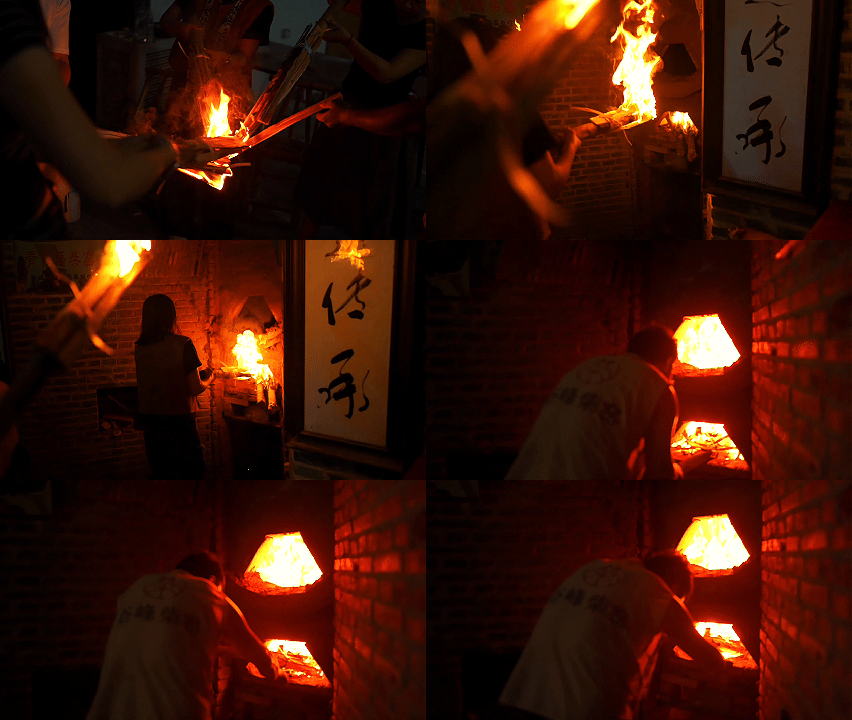
The Flame of Wood Kiln 


