Tea is one of the world’s oldest and most beloved beverages, with a history stretching back thousands of years. In Chinese tea culture, tea is not only a drink—it is a philosophy of life, a path to inner peace, and a symbol of respect, hospitality, and balance.
Drink Tea or Not?
Tea is one of the world’s oldest and most beloved beverages, with a history stretching back thousands of years. In
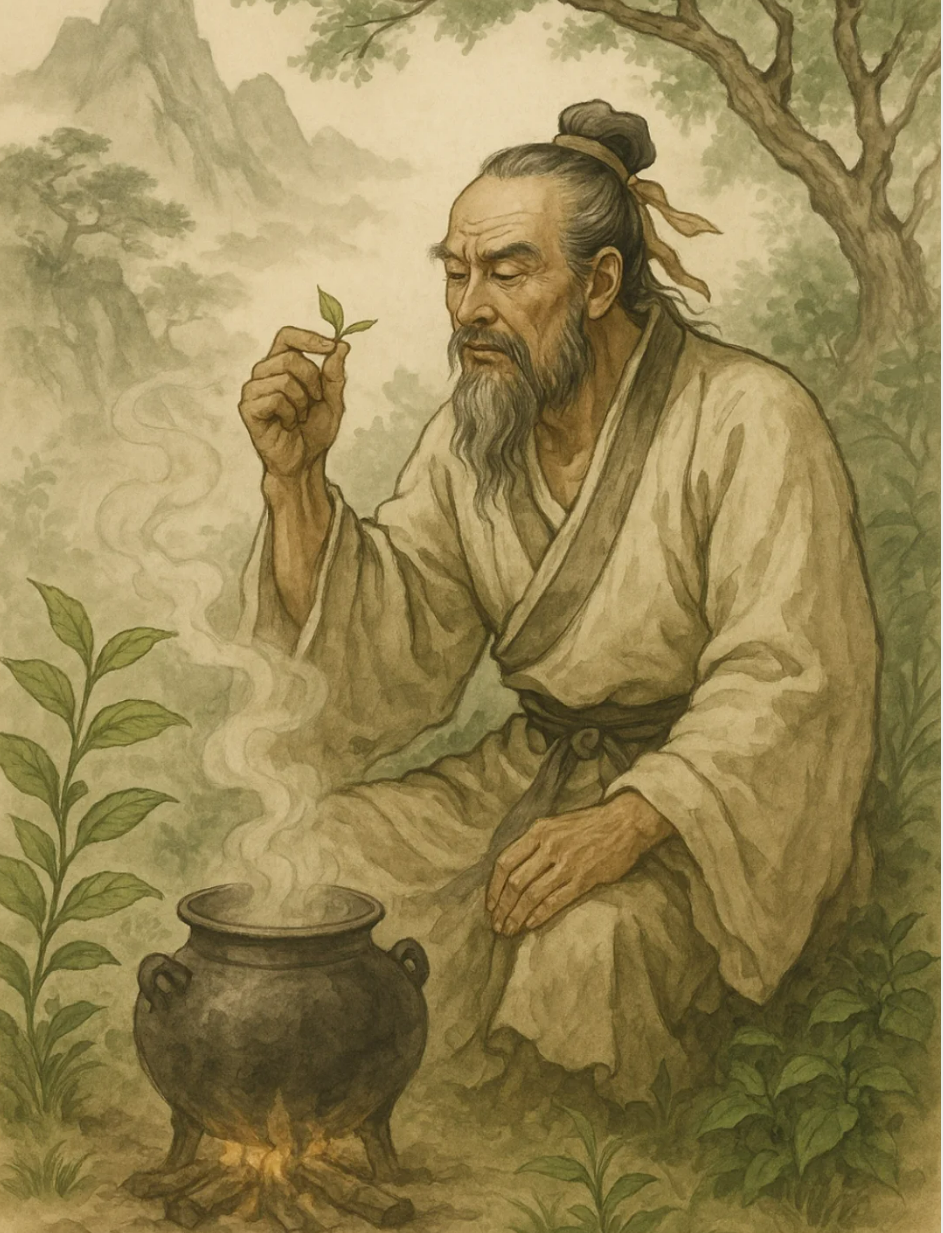
Chinese tea culture, tea is not only a drink—it is a philosophy of life, a path to inner peace, and a symbol of respect, hospitality, and balance. According to ancient Chinese legend, tea was discovered more than 4,000 years ago by
Emperor Shen Nong, known as the Divine Farmer. Shen Nong was a wise ruler, healer, and herbalist who taught people how to farm and identify medicinal plants.
One day, while boiling water under a wild tea tree, a gentle breeze caused a few leaves to fall into his pot. The water gradually turned golden, and a soft fragrance filled the air. Curious, the emperor tasted the infusion—and found it refreshing, pure, and soothing. He soon realized that this mysterious plant could quench thirst, clear the mind, and heal the body. From that moment, tea was born—not just as a drink, but as a gift from nature to humankind.
🍵Why We Drink Tea
1. To Find Inner Calm
In a fast-paced modern world, tea offers a quiet pause. The process of boiling water, watching tea leaves unfold, and inhaling the gentle aroma encourages us to slow down and breathe. Each sip carries a sense of mindfulness—reminding us that peace begins with presence.
2. To Connect with Nature
Tea is a bridge between humans and nature. Every leaf absorbs sunlight, rain, and soil before being carefully handpicked and crafted. When we drink tea, we taste the mountain air, the mist, and the patient work of artisans. It is nature transformed into art.
3. To Share and Communicate
Tea brings people together. In China, Japan, and many other cultures, offering tea is a gesture of friendship, respect, and warmth. A tea ceremony or a simple cup shared between friends becomes a moment of genuine connection.
4. To Nourish the Body
Beyond its symbolic meaning, tea is also a natural health treasure. It contains polyphenols, catechins, and amino acids that help detoxify the body, boost metabolism, and strengthen the immune system. Unlike coffee, tea refreshes the mind without overstimulation—keeping energy stable and balanced.
5. To Appreciate Art and Beauty
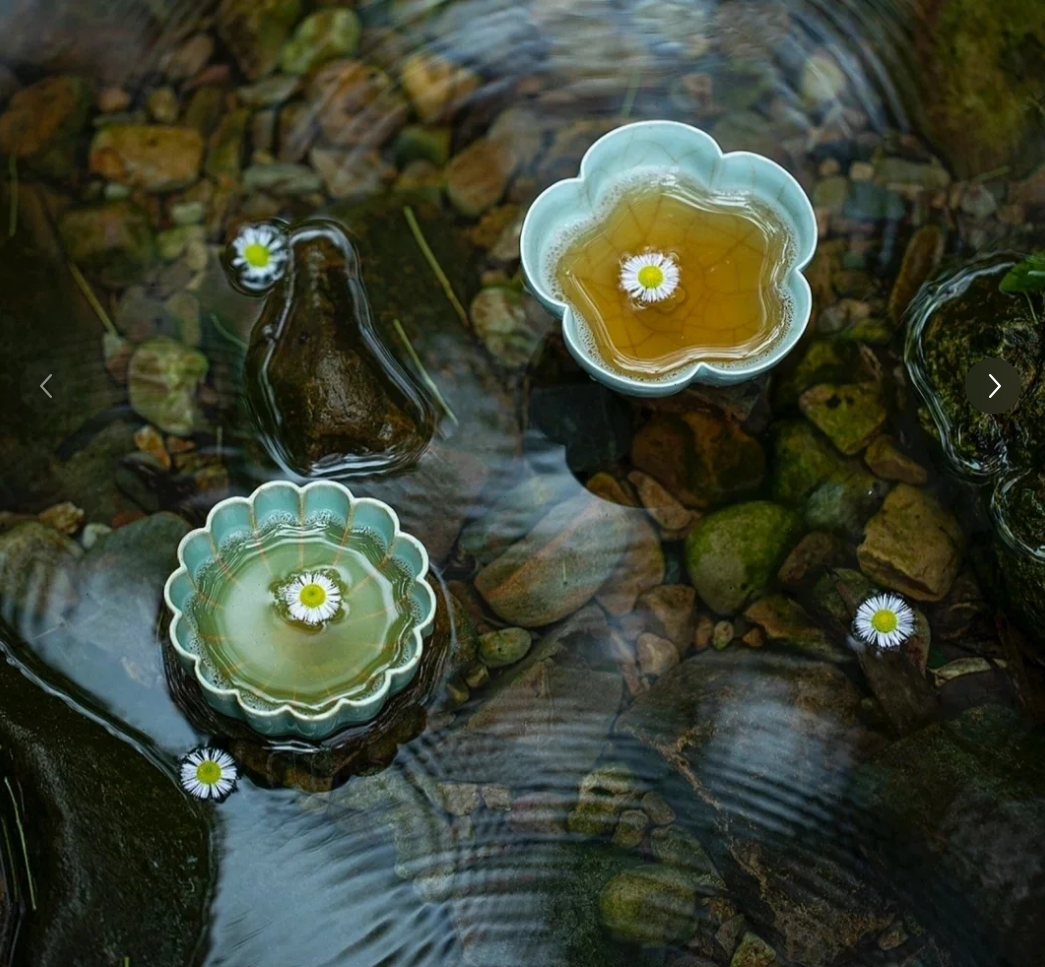
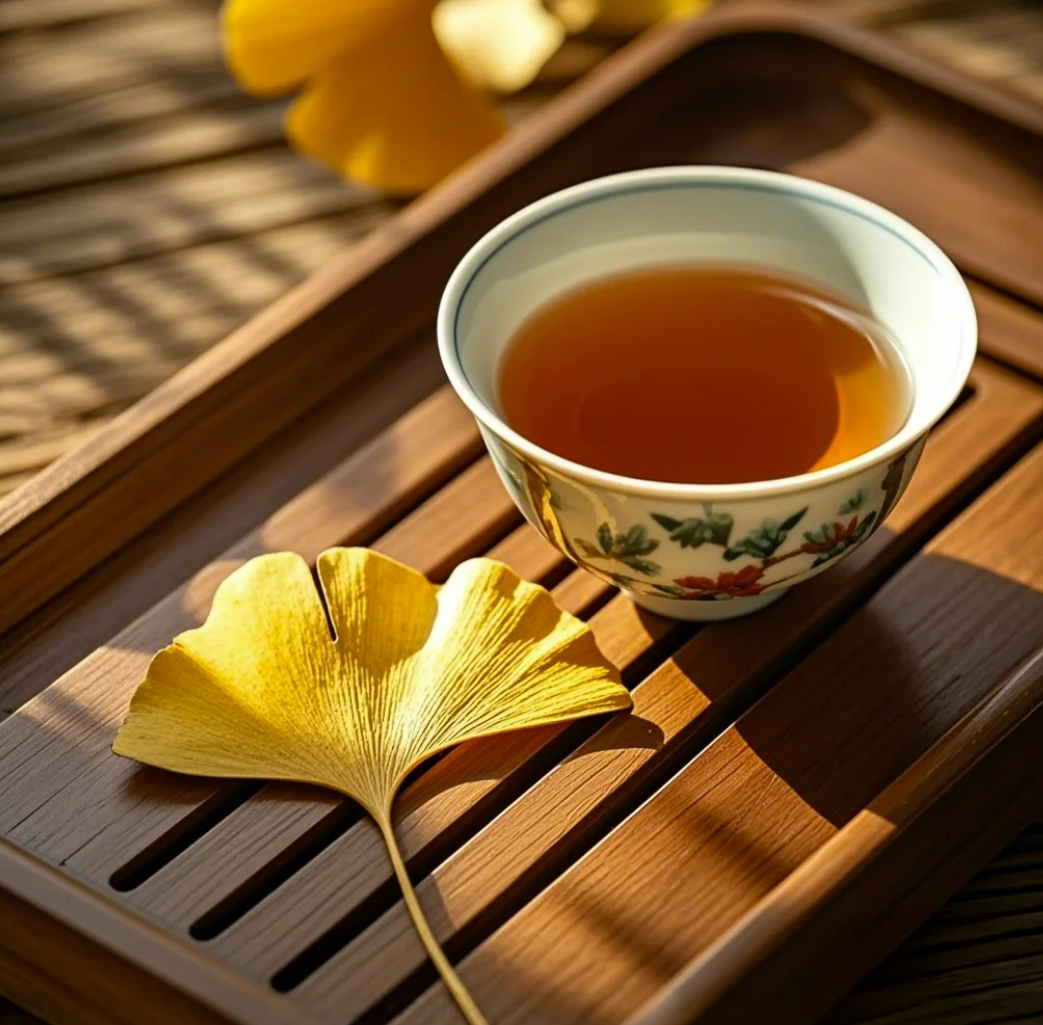
Tea is closely linked with aesthetics. The choice of ceramic teaware, the sound of pouring water, the color of the infusion—all reflect beauty in simplicity. Each cup becomes an artwork of taste, time, and emotion.
🍵The Six Types of Tea and Their Health Benefits
Although all teas come from the same plant (Camellia sinensis), their flavor and benefits depend on how they are processed. Each type of tea has unique healing properties, aromas, and cultural associations.
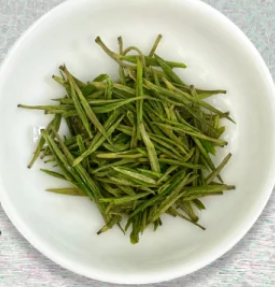
🌱1. Green Tea – Refreshing and Detoxifying
Flavor: Light, fresh, grassy
Process: Lightly oxidized
Benefits:
-
Rich in antioxidants and catechins that fight free radicals
-
Boosts metabolism and supports fat burning
-
Enhances mental focus and alertness
-
Promotes healthy skin and anti-aging
Green tea is ideal for daily drinking, especially in the morning or after meals, for a clean and refreshing feeling.
🌱2. White Tea – Gentle and Youth-Preserving
Flavor: Mild, sweet, and delicate
Process: Minimally processed and sun-dried
Benefits:
-
High in antioxidants, helps protect cells from aging
-
Supports skin health and collagen production
-
Strengthens the immune system
White tea is often called the “elixir of youth,” known for its purity and subtle elegance.
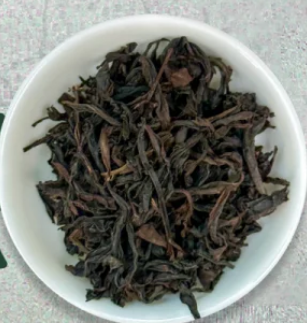
Flavor: Floral, fruity, with a smooth texture
Process: Semi-fermented between green and black tea
Benefits:
-
Helps with fat metabolism and weight management
-
Supports digestion, especially after oily meals
-
Improves energy and mental clarity
Oolong tea symbolizes balance—between yin and yang, freshness and depth.
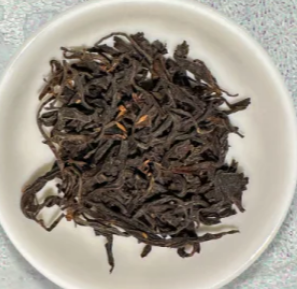
🌱4. Black Tea – Energizing and Heart-Healthy
Flavor: Bold, malty, and rich
Process: Fully fermented
Benefits:
-
Enhances alertness and concentration
-
Supports heart health by lowering cholesterol
-
Helps regulate blood sugar levels
-
Warms the body and improves circulation
Black tea is perfect for cold mornings, offering warmth and strength.
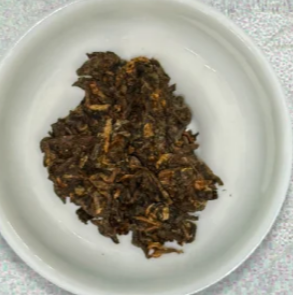
🌱5. Pu-erh Tea – Cleansing and GroundingFlavor: Earthy, mellow, and aged
Process: Fermented and often stored for years
Benefits:
-
Aids digestion and detoxification
-
Reduces cholesterol and helps control body fat
-
Balances gut flora and supports intestinal health
-
Calms the mind and stabilizes emotions
Pu-erh is considered a “living tea” that matures over time, symbolizing patience and wisdom.
🌱6. Yellow Tea – Gentle and Restorative
Flavor: Smooth, slightly sweet
Process: Lightly fermented, with a unique “yellowing” step
Benefits:
- Stimulates digestion
- Reduces internal heat (cooling the body)
- Promotes overall vitality and calmness
Yellow tea is rare and treasured for its mellow taste and soothing energy.
-
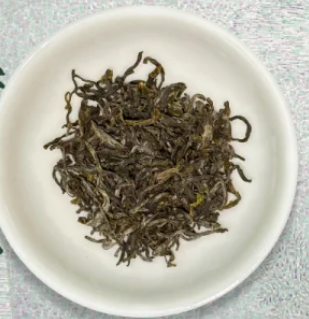
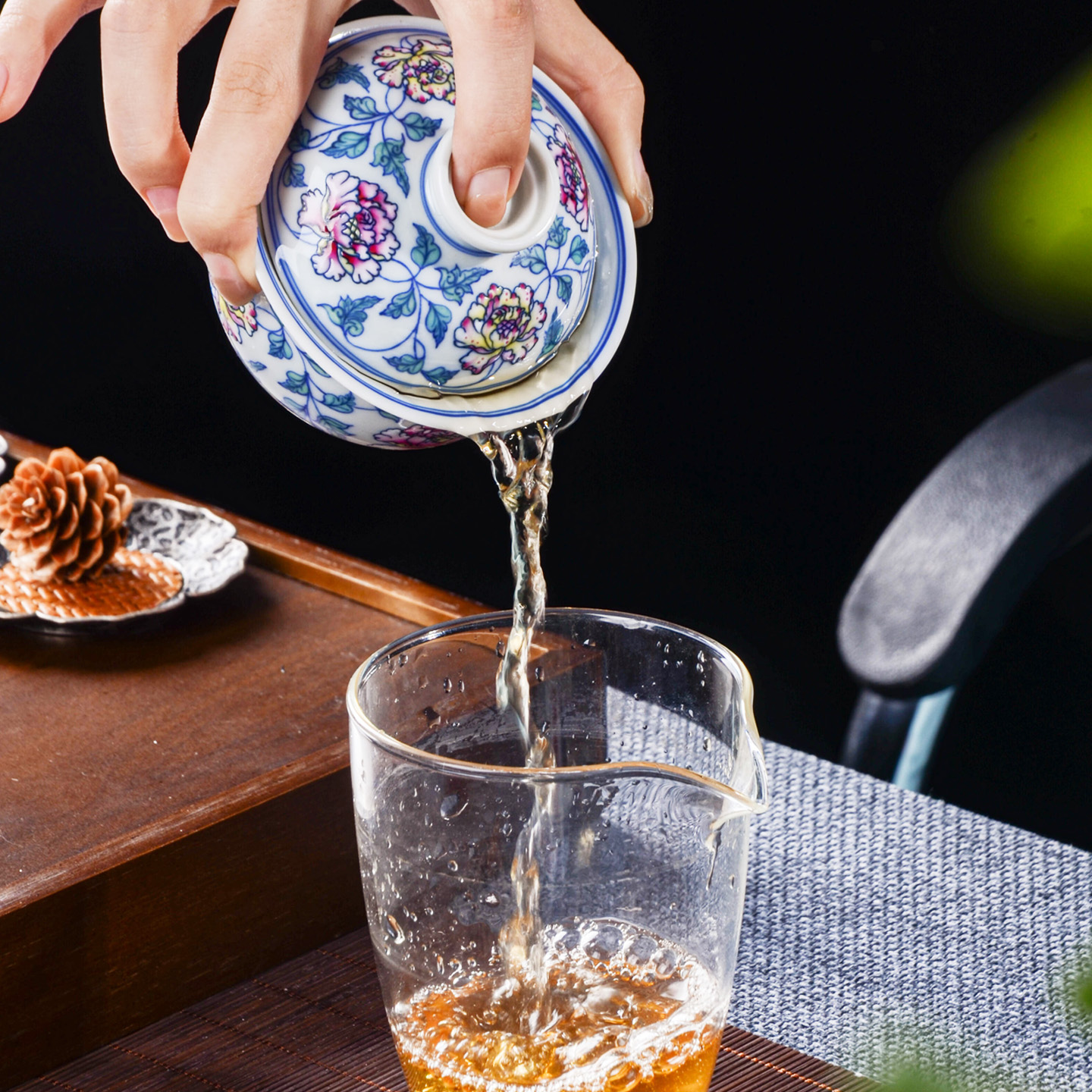
🍵The Art of Drinking TeaTea is best enjoyed slowly, preferably with fine porcelain or ceramic teaware that enhances its aroma and flavor. In Chinese tradition, a Jingdezhen gaiwan—a lidded bowl ( Gaiwan ) used for steeping tea—is valued for its elegant form and perfect heat retention. Every detail of the tea experience, from the choice of water to the vessel’s glaze, reflects one’s taste and respect for craftsmanship. To drink tea is not just to quench thirst—it is to cultivate peace, grace, and appreciation for the simple beauty of life.
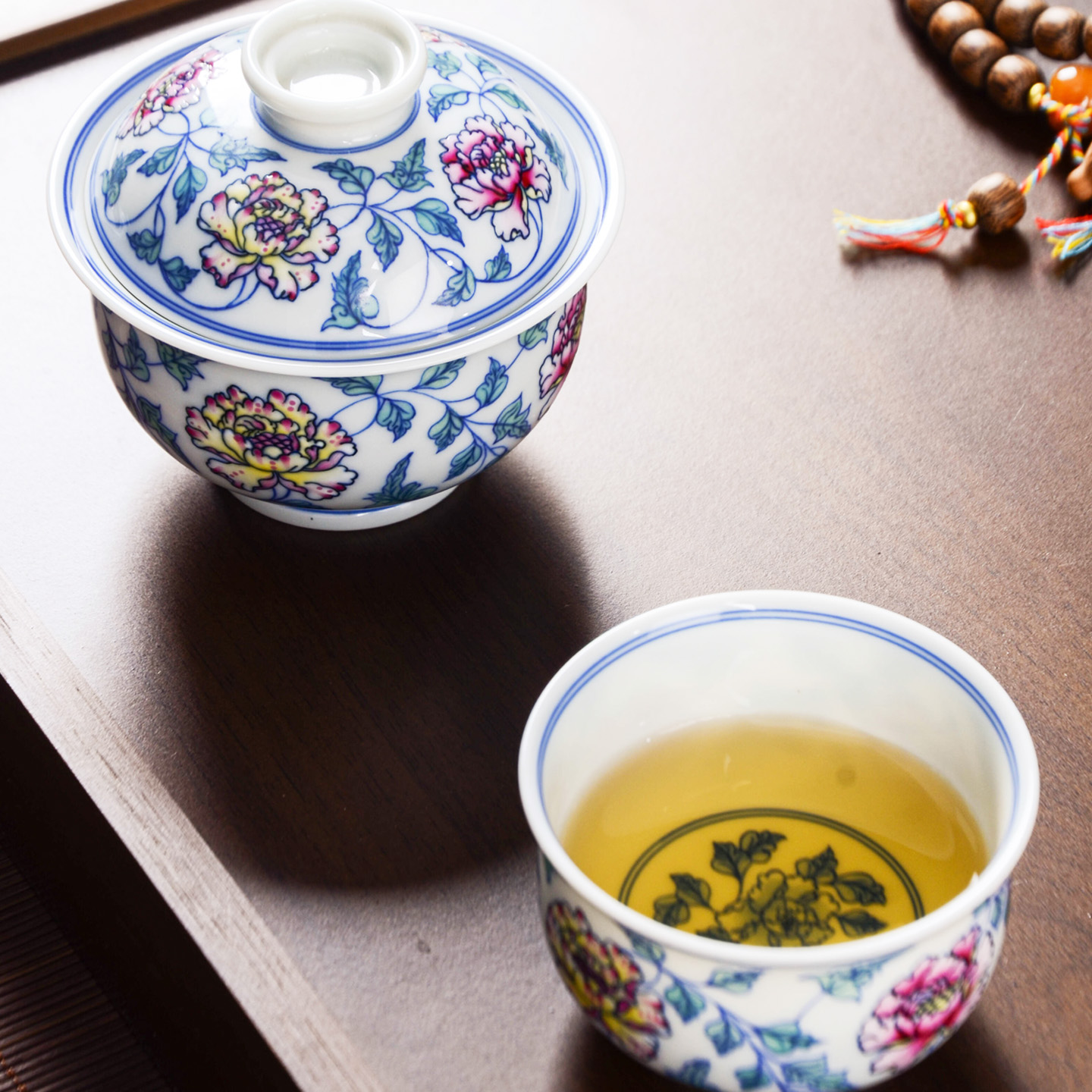
🍵Discover the Beauty of Tea with Fine Ceramic TeawareYour tea deserves a vessel that matches its spirit. Explore our collection of handcrafted ceramic teaware, including elegant gaiwans, teapots, and teacups made in Jingdezhen—the world’s porcelain capital.
Each piece combines traditional artistry with modern aesthetics, designed to elevate every tea moment into a poetic ritual.


