the Mogao Grottoes
On the western edge of China’s vast Gobi Desert, where golden dunes meet an endless sky, lies Dunhuang—an oasis that once shimmered like a jewel along the ancient Silk Road. For over two thousand years, Dunhuang served as a crossroads of civilizations, where merchants, monks, and travelers exchanged not only silk and spices but also art, music, and faith. Among its treasures stands the legendary Mogao Caves.
Echoes of Dunhuang: Porcelain Inspired by the Spirit of the Mogao Grottoes
On the western edge of China’s vast Gobi Desert, where golden dunes meet an endless sky, lies
Dunhuang—an oasis that once shimmered like a jewel along the
ancient Silk Road. For over two thousand years, Dunhuang served as a crossroads of civilizations, where merchants, monks, and travelers exchanged not only silk and spices but also art, music, and faith. Among its treasures stands the legendary
Mogao Caves, also known as the
Caves of the Thousand Buddhas. Carved into a cliff face beginning in the 4th century AD, the Mogao Caves form one of the world’s most extraordinary sites of Buddhist art.
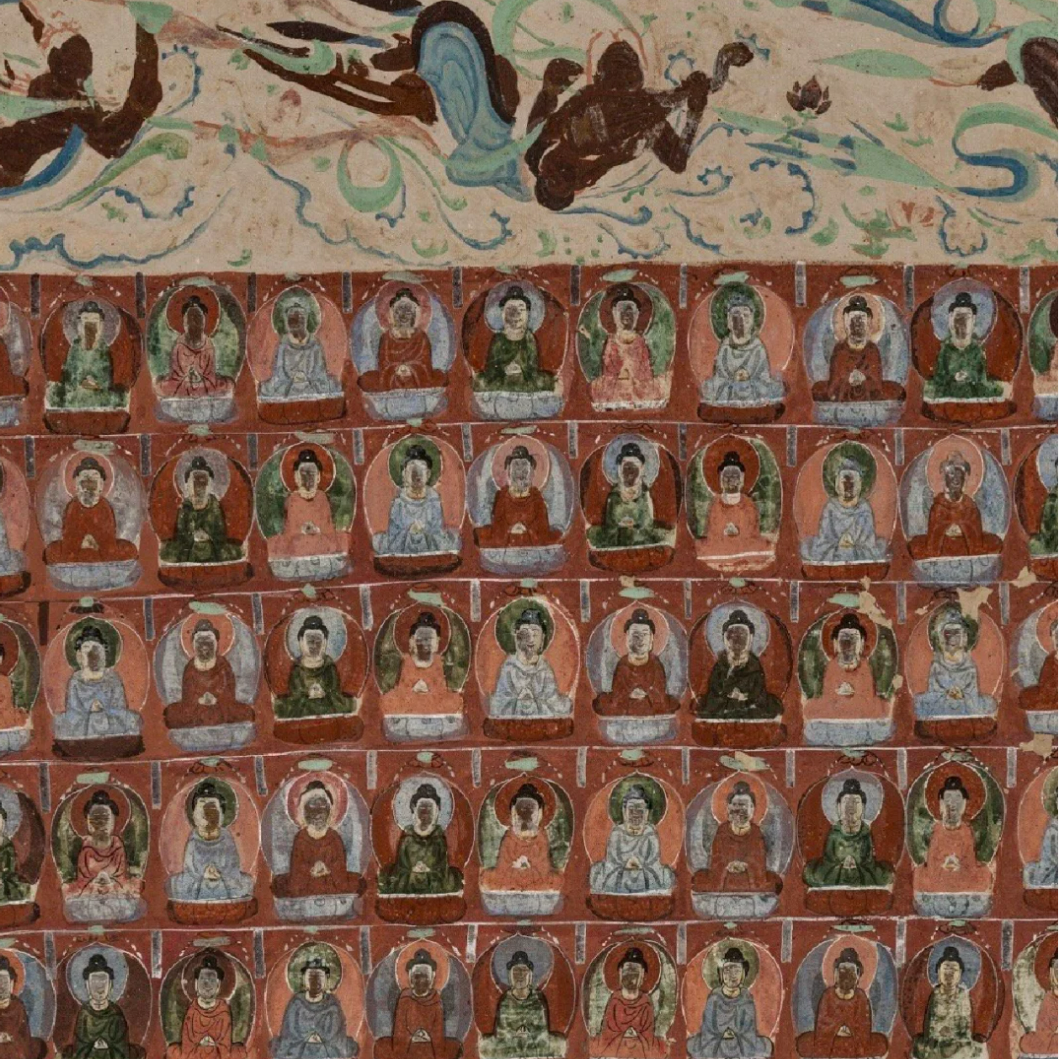
Over
700 caves house more than
45,000 square meters of murals and
2,000 painted sculptures, telling stories of devotion, harmony, and human imagination across dynasties. The paintings are celebrated for their
delicate lines, flowing drapery, and luminous mineral pigments—malachite greens, cinnabar reds, and lapis lazuli blues—that have endured for more than a thousand years. The caves’ most iconic figures are the
Feitian, or
Flying Apsaras—celestial musicians and dancers who float gracefully among clouds and lotus blossoms. They embody freedom, elegance, and spiritual transcendence, symbolizing the human desire to rise beyond the earthly realm.
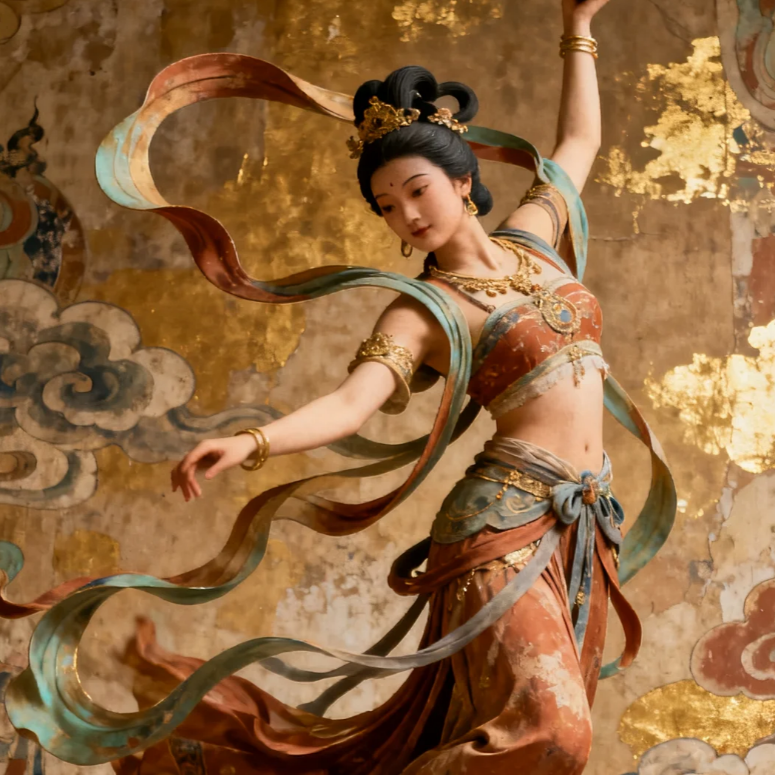
The murals, preserved in the cool desert air, glow with colors that have endured for more than a millennium—mineral pigments of malachite, cinnabar, and lapis lazuli, applied with meticulous care by ancient artisans. They depict bodhisattvas, celestial dancers, musicians, and pilgrims, each brushstroke alive with rhythm and grace.
From the Murals to Porcelain: A Dialogue Across Time
Inspired by this timeless heritage, our Dunhuang Mural Porcelain Collection transforms the spirit of the Mogao Caves into delicate ceramic art. Each cup and gaiwan becomes a modern canvas for ancient stories—where flying apsaras, flowing ribbons, and delicate clouds once graced the cave walls, they now seem to drift gracefully across porcelain surfaces.
Every curve, glaze, and color tone pays homage to the original artistry of Dunhuang. The gentle hues of the hand-painted designs echo the soft earth tones of the murals, while the elegant shapes reflect the balance and harmony found in Buddhist aesthetics.
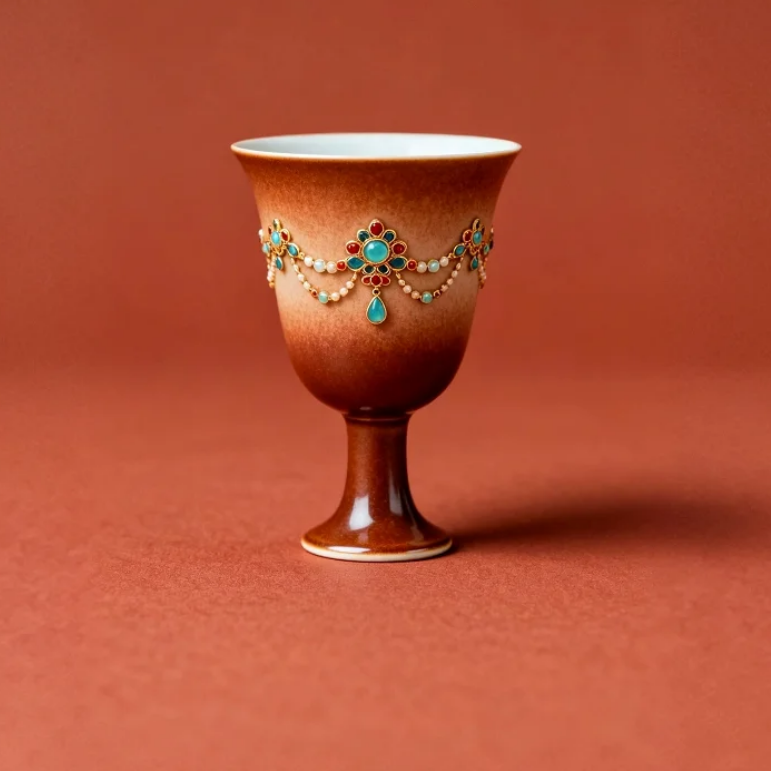
The Art of Flying Apsaras: Grace in Motion
In the Mogao murals, flying apsaras are celestial beings that soar through heavenly skies, playing flutes and lutes among drifting clouds. They symbolize freedom of spirit, devotion, and eternal beauty. On porcelain, they seem to take flight once more—an elegant blend of painting and form, myth and craftsmanship.
Each stroke of the brush captures the same rhythm and life found in the original wall paintings—a harmony of motion and stillness that speaks to the soul.
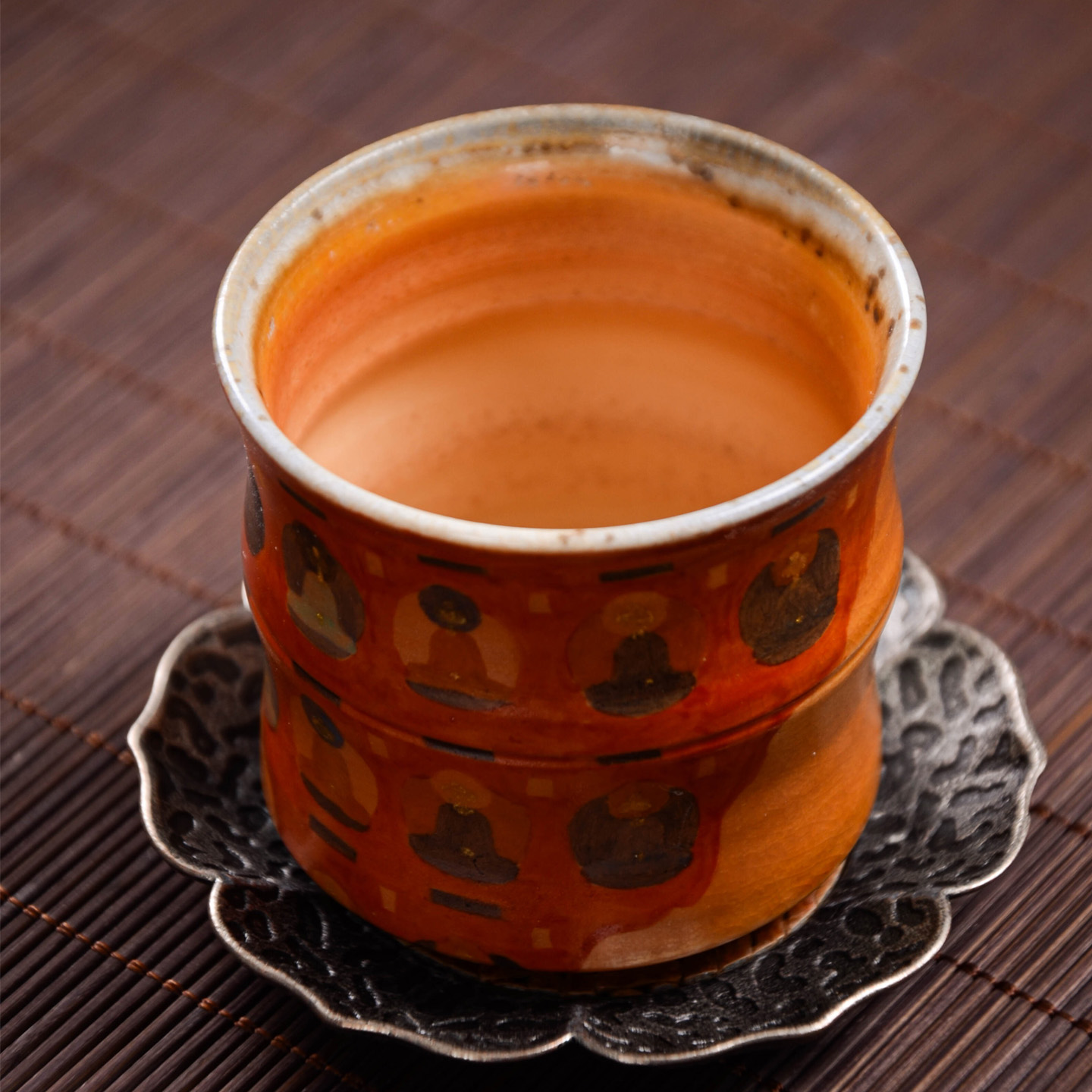
Tea as a Living ArtTo hold a Dunhuang-style porcelain cup is to hold time itself. The moment tea meets porcelain, art becomes a living experience—a continuation of the Silk Road’s story, where fragrance, culture, and spirituality intertwine.
Whether enjoyed in quiet solitude or shared among friends, each piece brings a trace of Dunhuang’s mystic light into daily life.
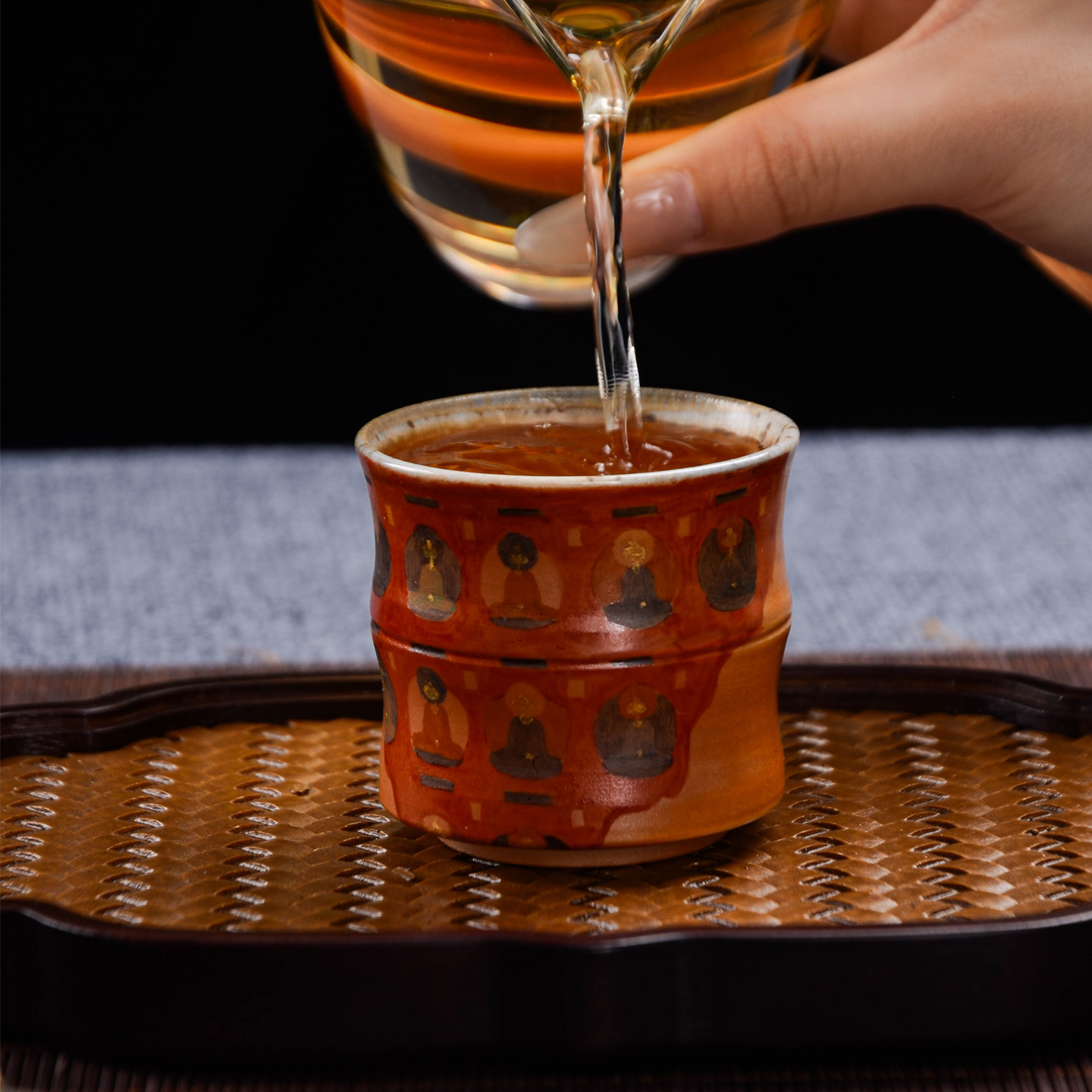
A Tribute to the Eternal Beauty of DunhuangOur collection is not merely porcelain—it is a tribute to the Mogao Grottoes’ thousand-year heritage, to the devotion of ancient artisans, and to the enduring beauty of Chinese aesthetics. In every cup and gaiwan, we see the whisper of desert winds, the colors of sacred murals, and the timeless grace of the flying apsaras.


