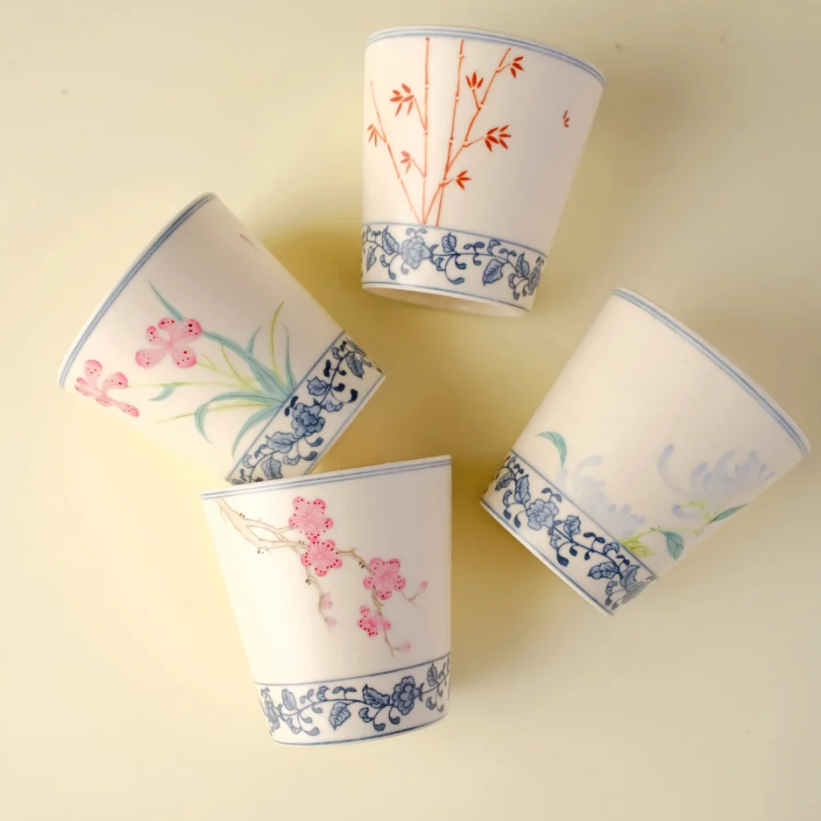
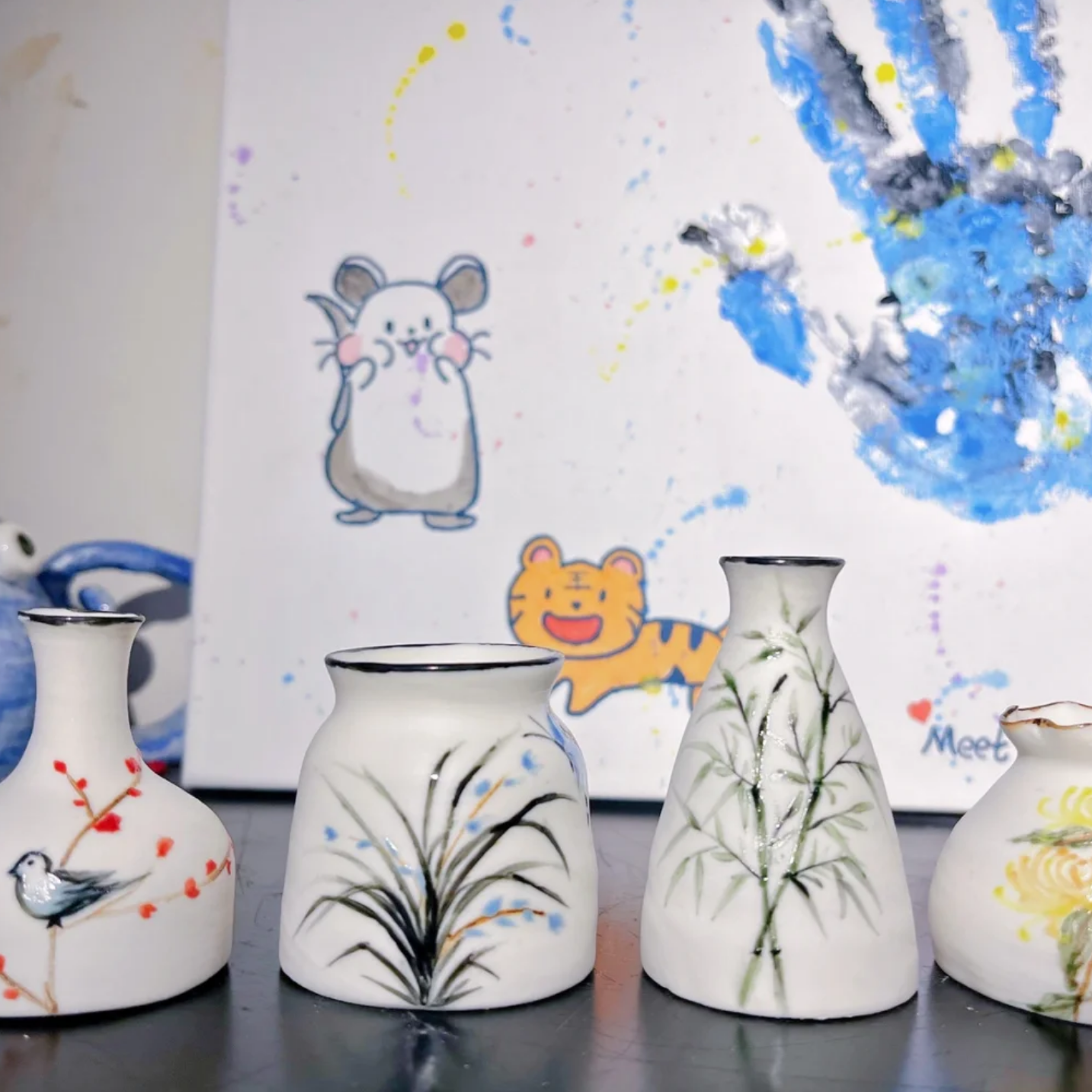
In the world of Chinese ceramic art, you will often encounter four beloved botanical motifs: the plum blossom, the orchid, the bamboo, and the chrysanthemum. Collectively, they are known as the "Four Gentlemen" .
The Silent Poetry of Porcelain: Understanding the Four Gentlemen
In the world of Chinese ceramic art, you will often encounter four beloved botanical motifs: the plum blossom, the orchid, the bamboo, and the chrysanthemum. Collectively, they are known as the
"Four Gentlemen" . They are much more than mere decoration; they are a silent language, conveying deep virtues, resilience, and the ideal qualities of a scholarly spirit.
For centuries, Chinese artists have painted these plants on porcelain, turning functional objects like vases, cups, and plates into carriers of profound cultural meaning. Let's decode the symbolism of each of these elegant "Gentlemen."
🌸1. Plum Blossom - The Herald of Resilience
The Image: Delicate, five-petaled blooms, often on gnarled, leafless branches, braving the last of the winter snow.
The Virtue: Resilience and Hope.
Why it's a "Gentleman":
The plum blossom is the first to bloom, often while snow is still on the ground. It symbolizes the ability to endure hardship and emerge with beauty and purity. It represents inner strength, perseverance, and the arrival of spring and new beginnings after a difficult period. On porcelain, it serves as a reminder of unwavering spirit.
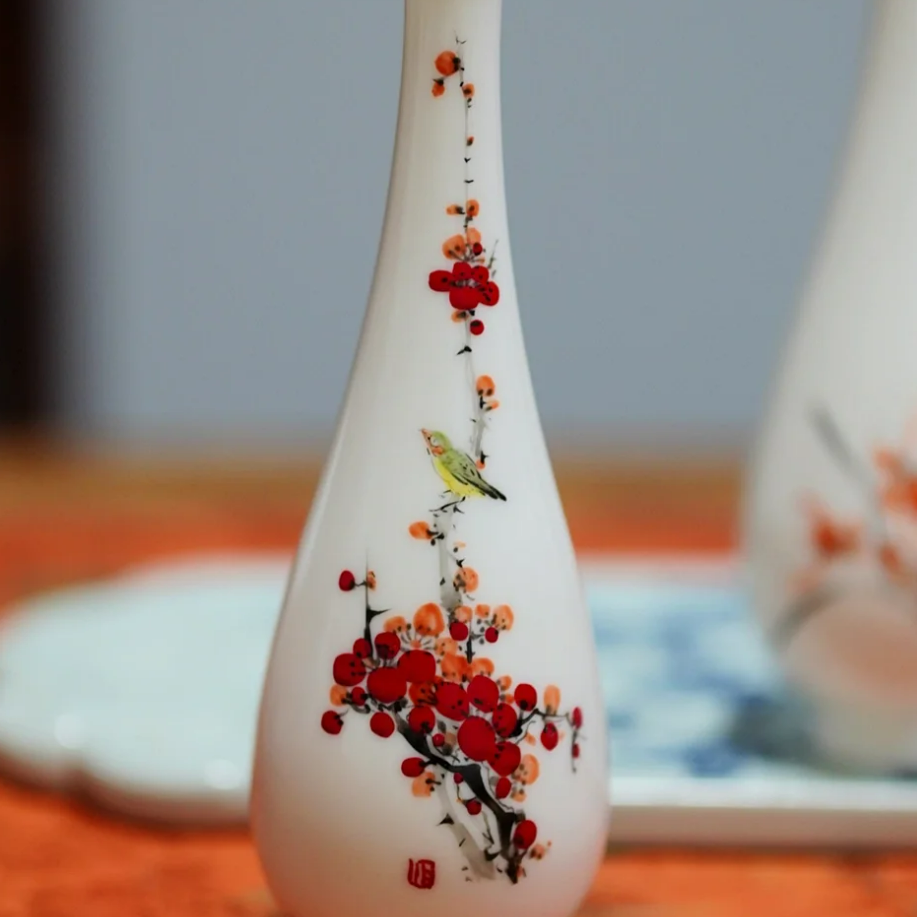
Chinese poem about plum blossom:"Plum Blossoms in the Garden" by Lin Bu
When other flowers fade, you alone bloom bright,
Capturing all beauty in the pale moonlight.
Your sparse shadows slant across clear water shallow,
Your subtle fragrance drifts where moonbeams fallow.
"Plum Blossoms" by Wang Anshi
A few plum branches by the wall bloom alone against the winter's chill;
From afar I know it's not mere snow, for a hidden fragrance drifts still.
🌿2. Orchid - The Essence of Humility
The Image: A graceful plant with long, slender leaves and small, subtle flowers, often found growing in quiet, shaded valleys.
The Virtue: Humility, Refinement, and Unobtrusive Beauty.
Why it's a "Gentleman":
The orchid is not a loud or showy flower. Its fragrance is subtle, and it blooms in secluded places. This represents the Confucian ideal of the virtuous scholar: a person of talent and moral integrity who remains humble and does not seek public acclaim. A porcelain piece adorned with orchids speaks of quiet elegance, nobility of character, and understated taste.
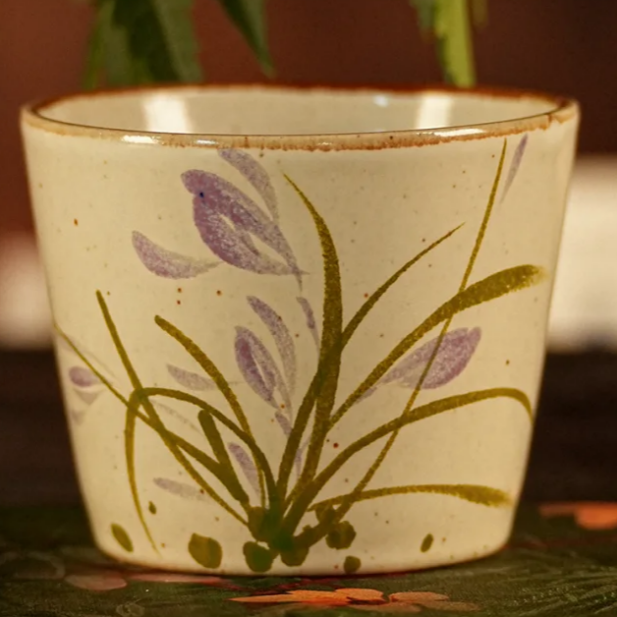
Chinese poem about orchid:"The Orchid" by Liu Kezhuang
The noble bamboo praises your constant virtue;
The sacred fungus shares your secluded estate.
Though hidden in a valley where storms may hurt you,
Your fragrance remains unchanged by fate.
🎋3. Bamboo - The Symbol of IntegrityThe Image: Tall, straight stalks with hollow sections and evergreen leaves that bend in the wind but rarely break.
The Virtue: Integrity, Resilience, and Moral Uprightness.
Why it's a "Gentleman":
Bamboo is a marvel of nature. Its hollow heart symbolizes openness and humility, while its unyielding stalk represents uprightness and moral integrity. Its flexibility in the storm signifies the ability to adapt without compromising one's core principles. It is the ultimate symbol of the ideal scholar-official: strong, principled, and resilient. Bamboo on ceramics is a powerful emblem of these admired qualities.
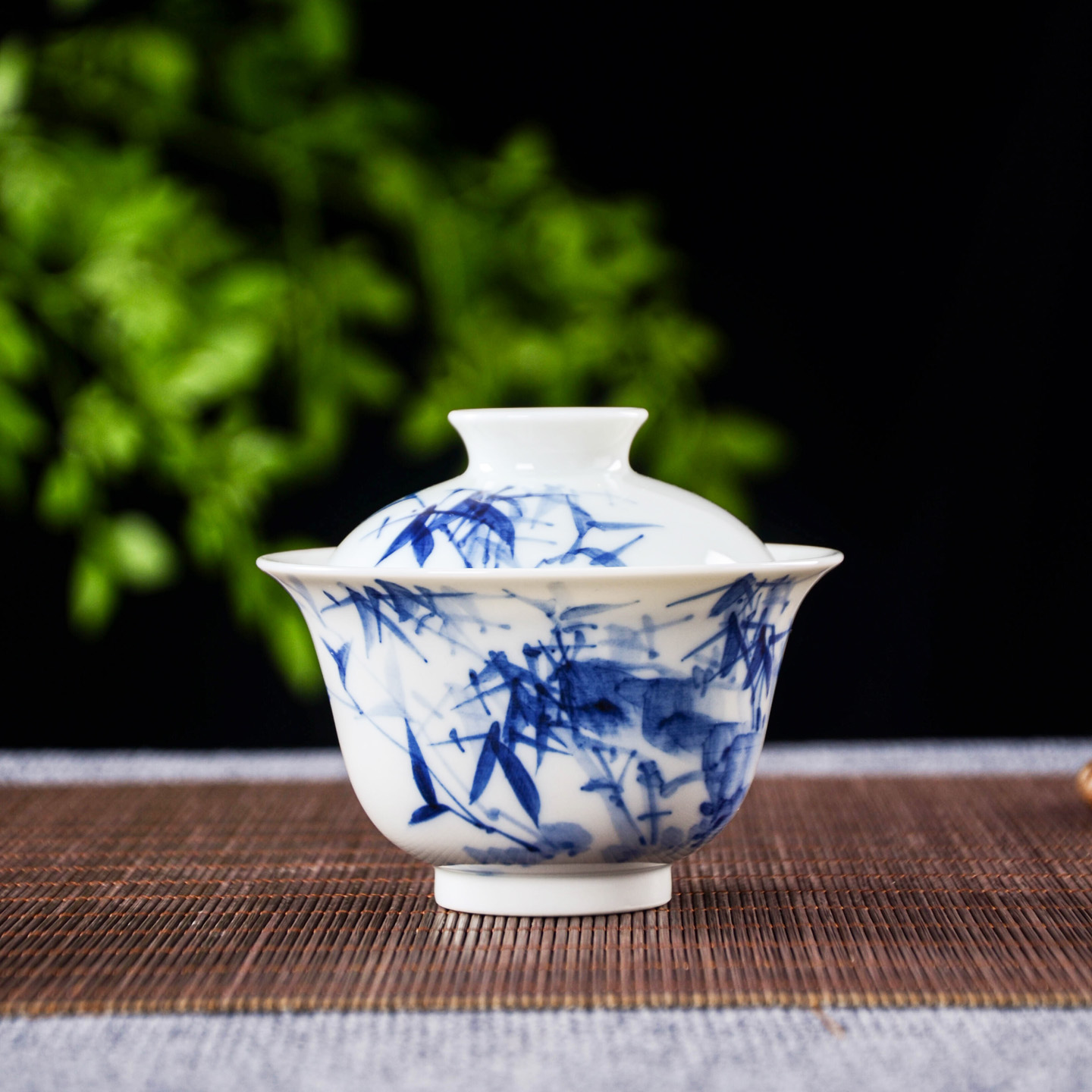
Chinese poem about bamboo:"Bamboo in the Rock" by Zheng Banqiao
Firmly rooted in the mountain's crevice, it clings without dismay;
Though its anchor is in broken rock, it stands strong come what may.
Through countless trials and hardships, its resilience never bends;
It defies the winds from all directions, on which it depends.
🌼4. Chrysanthemum - The Emblem of Nobility
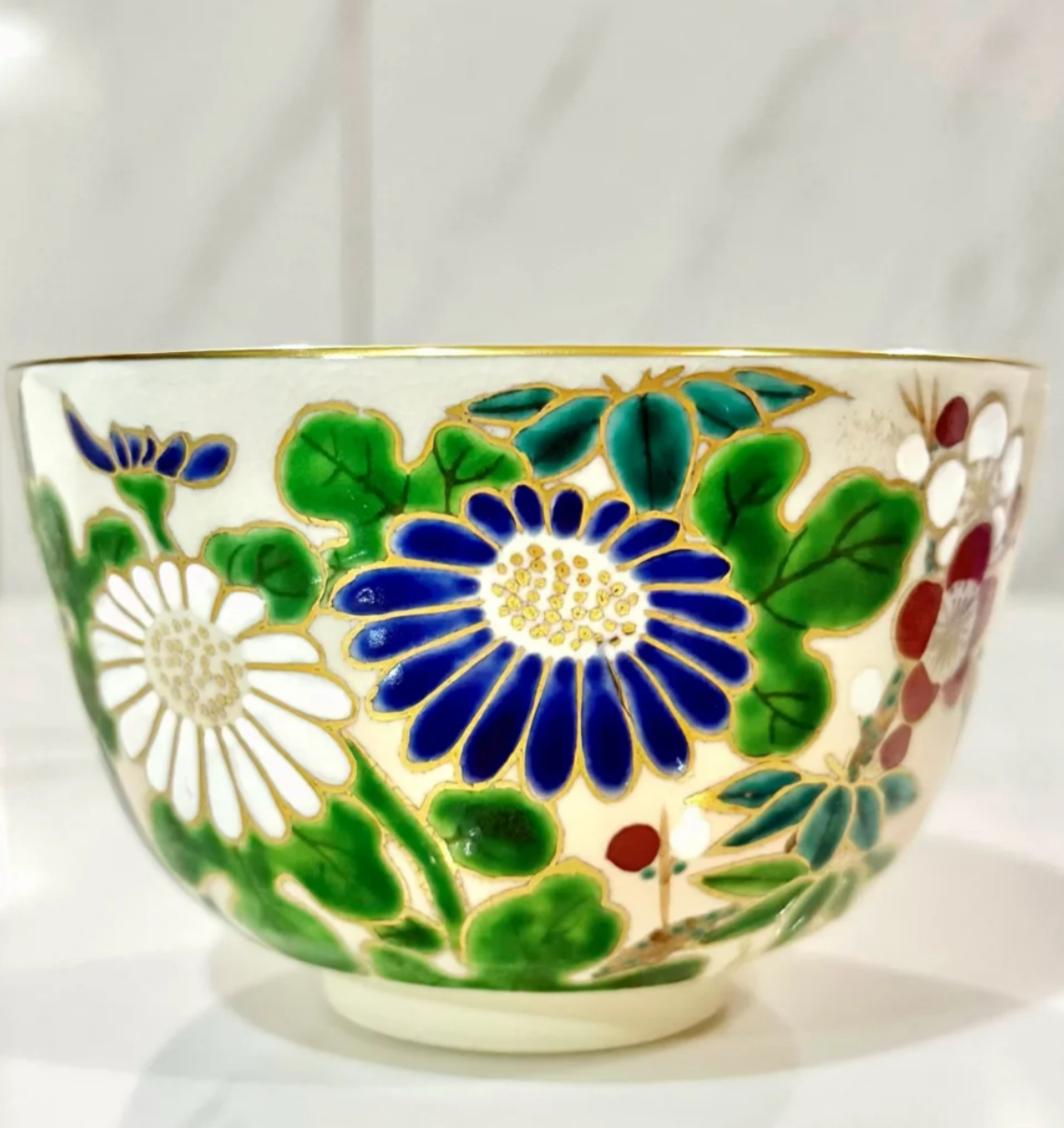
The Image: A lush, layered bloom that bravely flowers in the crisp, cool days of autumn.
The Virtue: Nobility, Longevity, and Reclusion.
Why it's a "Gentleman":
While many flowers wither with the summer heat, the chrysanthemum thrives in autumn. It symbolizes the ability to remain virtuous and flourishing in adversity or old age. It is also associated with Taoist ideals of reclusion and a leisurely, noble life away from the corruption of politics. Because of its hardy nature, it also became a symbol of
longevity and immortality. A chrysanthemum-decorated vase or cup often carries wishes for a long, healthy, and honorable life.
Chinese poem about Chrysanthemum:
"Drinking Wine No.5" by Tao Yuanming
Picking chrysanthemums by the eastern fence,
My gaze rests softly on South Mountain's grandeur.
At dusk the mountain air brings sweetest pleasure,
As homeward birds fly in harmonious measure.
Together as the Four Gentlemen
When painted together, the Four Gentlemen represent the entire cycle of the seasons:
Orchid for Spring
Bamboo for Summer
Chrysanthemum for Autumn
Plum Blossom for Winter
This completeness makes them a popular and powerful motif, embodying the ideal journey of a cultivated person through all phases of life. Every brushstroke, every blossom on porcelain carries not just beauty, but meaning — a conversation between nature, craftsmanship, and the soul.
Conclusion
The next time you admire a piece of Chinese porcelain, look closely. If you see these plants, you are not just looking at a flower or a plant. You are reading a story of resilience, humility, integrity, and noble grace—the timeless poetry of the Four Gentlemen, forever captured in ceramic art.


