Jingdezhen, originally named "Changnan," is a city in Jiangxi Province, China, that has been synonymous with exquisite porcelain for over a millennium. Its global reputation earned it the title "Porcelain Capital" in the world.
Jingdezhen, originally named "Changnan," is a city in Jiangxi Province, China, that has been synonymous with exquisite porcelain for over a millennium. Its global reputation earned it the title "Porcelain Capital" , a name it has held for centuries. Jingdezhen's ceramic culture is not just a local craft; it is a cornerstone of Chinese art and history and a significant chapter in the global story of ceramic art.
一、Core Characteristics and Value
Millennia of Unbroken Kiln Fires: With a history of ceramic production stretching back over 1,700 years, Jingdezhen possesses an uninterrupted and deep accumulation of technical knowledge and cultural heritage. The kilns have never gone cold.
The Four Classic Virtues: The finest Jingdezhen porcelain, particularly blue and white and white porcelain, is traditionally described as:
- "As white as jade" : Referring to the pure, smooth, and luminous quality of the glaze.
- "As bright as a mirror" Describing the flawless, reflective surface.
- "As thin as paper" : Highlighting the incredible lightness and delicacy of the body.
- "As resonant as a chime stone" : Meaning it produces a clear, melodious ring when tapped.
Imperial Patronage: The Yuan Dynasty established the "Fuliang Porcelain Bureau" here, and the Ming and Qing Dynasties set up the "Imperial Kiln" . This royal endorsement attracted the finest craftsmen and resources, driving ceramic technology and artistry to its pinnacle.
A Global Influence and Cultural Ambassador: Jingdezhen porcelain was one of China's most important historical export commodities, traveling the world via the Silk Road. Its influence is immortalized in the English word for china—the porcelain—which is widely believed to be derived from the ancient name "Changnan."
二、Major Types of Porcelain and Techniques
Jingdezhen is renowned for several iconic ceramic types:
Blue and White Porcelain: The most iconic style. Cobalt pigment is painted on a raw clay body, which is then covered with a clear glaze and fired at a high temperature. The result is a brilliant, durable white-and-blue design. The Song-Qing dynasties represent its golden ages.
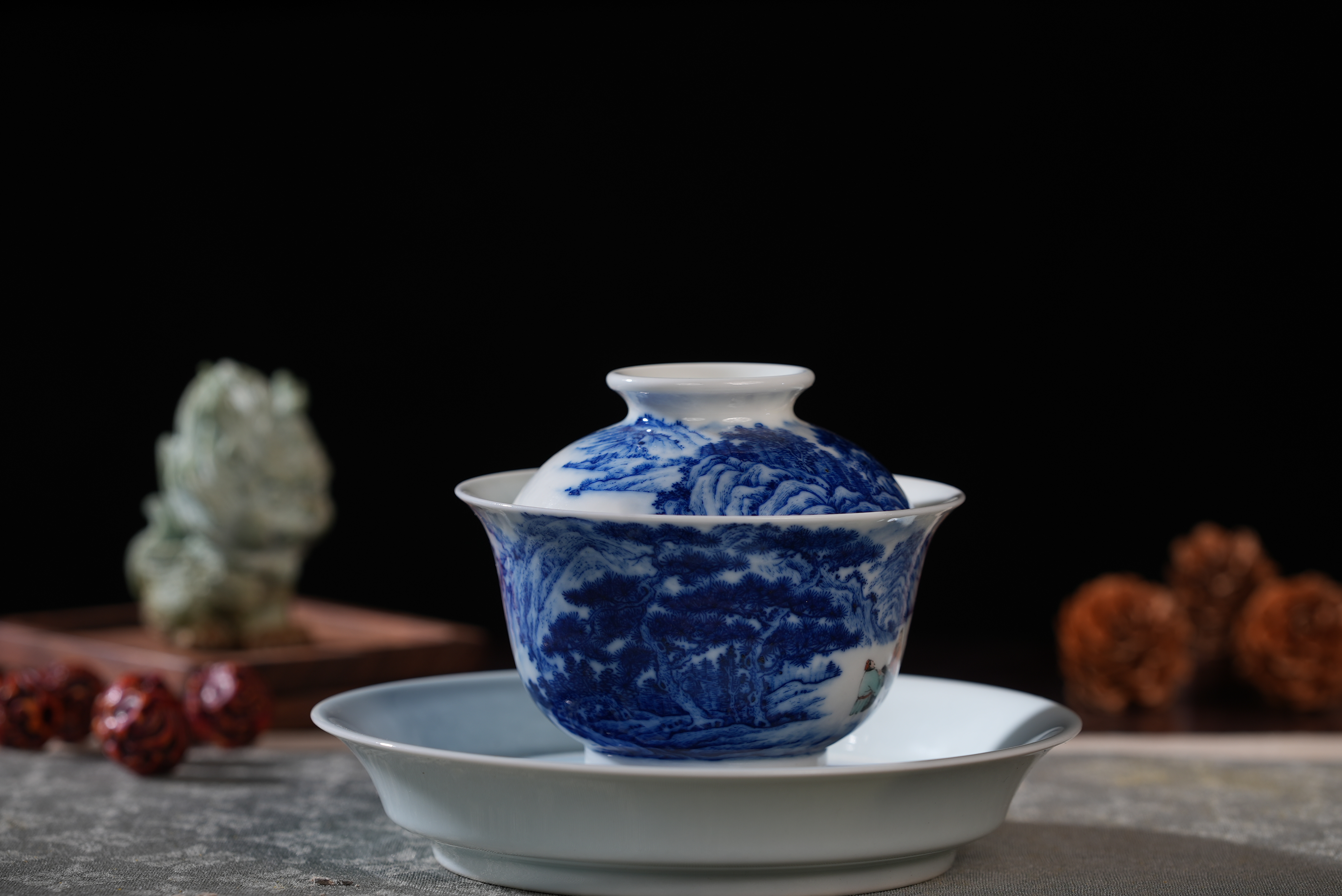
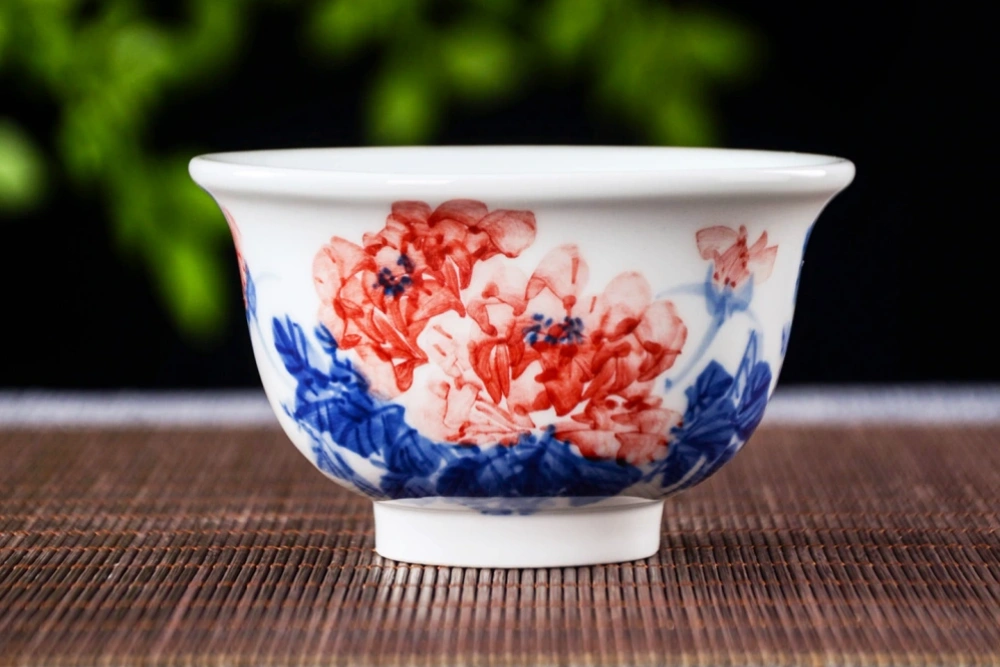
Underglaze Red: Similar to blue and white but uses copper oxide as the coloring agent to produce a red hue. It is extremely difficult to fire correctly, earning it the nickname "one treasure in a thousand kilns."
Famille Rose Porcelain: Developed in the late Kangxi period. It is an overglaze technique where a white pigment is used to create a soft, opaque base, allowing for a wider range of pastel colors and a more three
dimensional, painterly effect. It is often called the "rose family" in the West.
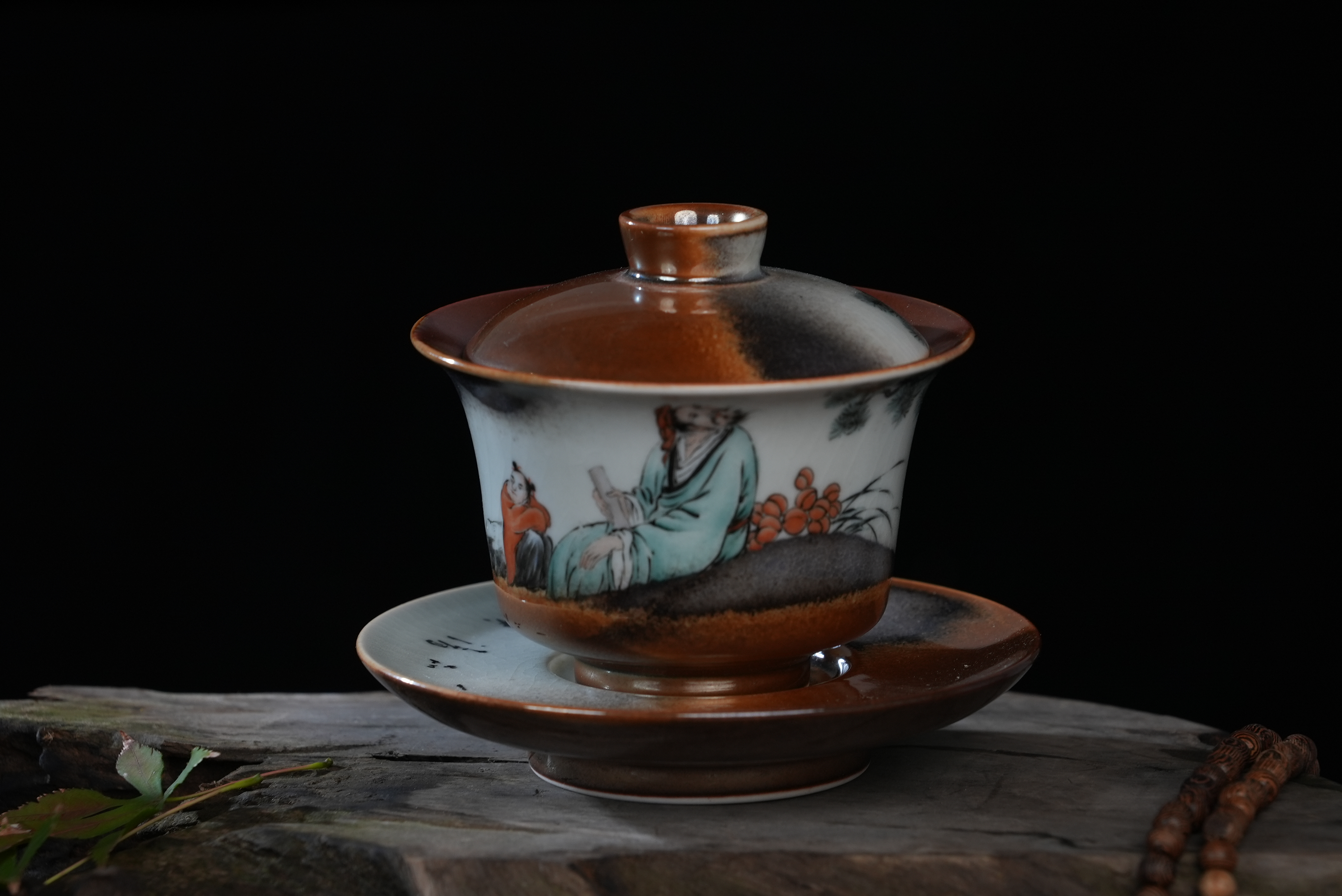
Monochrome Glaze Porcelain:
The art of creating stunning, monochrome glazes by controlling minerals and kiln conditions. Famous glazes include Sacrificial Red, Langyao Red, and Transmutation (flambé) glaze. They are often called "artificial gemstones."
Linglong Porcelain: It is a distinctive type of Jingdezhen ware.
The body is carved with intricate patterns of tiny holes (like rice grains), which are then filled with glaze. When held to the light, the pattern becomes translucent, creating a delicate, lattice-like effect. This intricate technique combines precision carving with high-temperature porcelain firing, making Linglong porcelain both functional and highly decorative.
Porcelain Sculpture: Sculptural porcelain refers to porcelain works created in three-dimensional, sculptural forms. Unlike traditional vessels or tableware, these pieces emphasize artistic expression and modeling. Artisans use pinching, carving, piercing, and molding techniques to create detailed sculptures of figures, animals, and flowers, showcasing exceptional skill.
三、The Process of Making Ceramics
The traditional process is both technical and artistic, involving multiple stages:
Kaolin clay for purity and whiteness.
china stone for hardness and translucency.
The raw materials are crushed, washed, filtered, and kneaded until smooth and workable.
Hand-molding, slab building, or wheel-throwing.
Slip casting (using liquid clay in molds) for complex forms.
Pieces must dry slowly and evenly to prevent cracking.
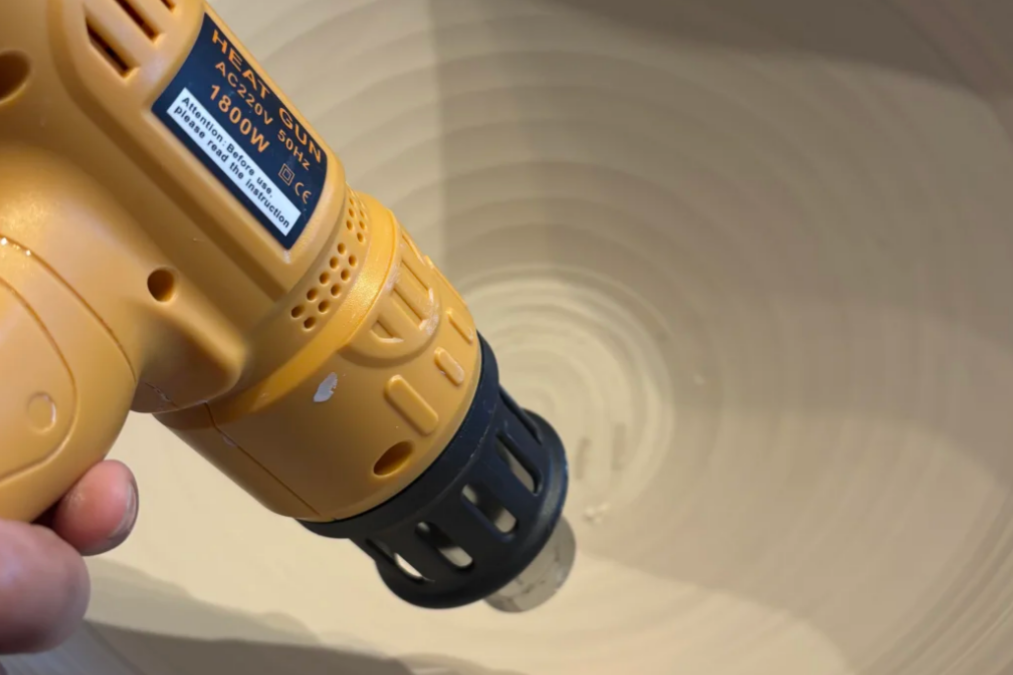
First firing (Biscuit firing):
Fired at lower temperatures (around 800–900°C) to harden the body.
A glaze (mixture of minerals and silica) is applied for color, shine, and waterproofing.
Second firing (Glost firing):
Fired at high temperatures (1,200–1,300°C). At this stage, the clay vitrifies and becomes porcelain.
- Decoration (before or after glazing):
Underglaze painting (e.g., cobalt blue in Ming porcelain).
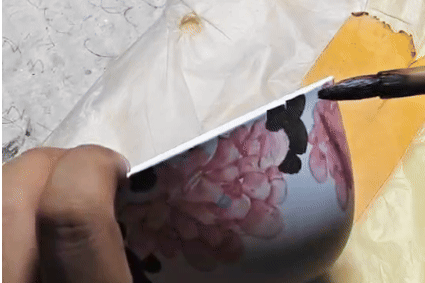
Overglaze enamels (famille rose, famille verte).
Carving, incising, or relief work.
Enamels and decorative layers are fixed at lower temperatures
(around 700–900°C).
四、Cultural Heritage and Modern Experience
Today, visitors can immerse themselves in this rich culture through several key sites:
Imperial Kiln Institute: It is located in the heart of Jingdezhen, the "Porcelain Capital" of China, the Imperial Kiln Museum is built upon the ruins of the Ming and Qing dynasties' imperial kilns. This world-class museum is not only an archaeological site but also an architectural marvel, with its brick-vaulted structures inspired by traditional kilns. It showcases exquisite porcelain pieces, including those that were once shattered to protect the emperor's exclusive right to perfection. A visit here is a journey into the heart of Chinese ceramic history and artistry. The Imperial Kiln Institute is more than a museum; it is a sanctuary for porcelain culture. It stands as a testament to the pinnacle of Chinese ceramic craftsmanship and offers an unparalleled insight into the demands of imperial power and the pursuit of aesthetic perfection.
Jingdezhen Ancient Kiln Folk Customs Museum: Here, you can see historic kilns (dragon kiln, gourd kiln, etc.) and watch master artisans demonstrate the entire traditional process: throwing, trimming, painting, glazing, and firing.
Jingdezhen China Ceramics Museum: The best place to systematically study Chinese ceramic history. Its collection spans from ancient times to the present, with a focus on Jingdezhen's masterpieces through the dynasties.
Taoxichuan Fair: A trendy cultural and creative district transformed from old ceramic factories. It features galleries, studios, design shops, and weekly creative markets where young artists sell their work. It's the epicenter of Jingdezhen's modern artistic revival.
Sanbao International Ceramic Art Village: A serene valley retreat where numerous Chinese and international artists have set up studios. It's a place to experience the fusion of nature, tradition, and contemporary art.
In conclusion, Jingdezhen's ceramic culture is a living history of fire, clay, and human creativity. It represents the culmination of Chinese aesthetic philosophy and technical ingenuity. From imperial treasures to everyday objects and modern art, its porcelain continues to evolve. Now, Jingdezhen is a global magnet for potters, artists, and designers who come to learn, create, and collaborate. The ancient Porcelain Capital is dynamically reinventing itself, ensuring that its legendary kiln fires will burn brightly for centuries to come.
Please click here to find more details about porcelain and pick your favourite masterpiece.


